Category: smartphone

  • Improve and visualize sleeping habits with Sleep as Android

    Improve and visualize sleeping habits with Sleep as Android

    sleep_as_android_logoSleep as Android is an accelerometer-based sleep cycle tracking app that provides a nice set of helpful ‘sleep tools’, including lullaby mode, sleep noise recording, lucid dreaming detection audio and a Captcha test. But more interesting feature is sleep cycles, by which it knows just the right time to wake you up.

    Previously, people used to huge amount of money on devices that would track and improve their sleeping habits, but now you can do this by just using an application that you can get from the Google Play Store: Sleep as Android. There are many such apps, for both Android & iOS devices, but Sleep as Android is one of the best on the market. There is a ‘free 14-day trial’. There is also a pro version with all the features Sleep as Android has, we believe it’s very good value for money.

    Sleep Tracker

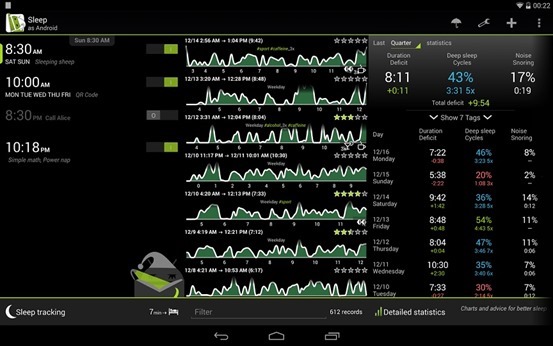
    sleep-trackerLet’s talk about the most useful feature ‘Sleep Tracker’: each night, before sleeping, put the app into a mode that uses your phone’s gyroscope, then lay your phone on your bed near you and just go to sleep.

    How it Works: The app will then track your movements in the night and plot them on a nice graphical view for you, times of inactive movement are referred to as “deep sleep” (or rapid-eye-movement cycles) as opposed to times when you’re more active.  It is helpful to wake you up during a period of light sleep, making it easier to get out of bed.

    Trying this on subsequent nights can get you interesting and useful results. You can see comparisons of nights across a span of time, and figure out exactly how much you slept. You can set ‘ideal sleep range’ from preferences menu so the app can tell your cumulative sleep different from ideal.

    Lullaby and time-to-bed notification

    Sleeping aids such as lullabies are also included.

    Aids also include an insistent time-to-bed notification — For the set alarm, the app will also notify you the ideal time for bed so that you get the ideal sleep as you want..

    Other Features:

    • Gentle alarms
    • Sleep noise recording;
    • Special lucid dreaming detection audio
    • Captcha test.

    Sleep as an Droid is available on Google Play

  • Nokia Lumia 1320 vs Nokia Lumia 625 – The Big Screen War

    Nokia Lumia 1320 vs Nokia Lumia 625 – The Big Screen War

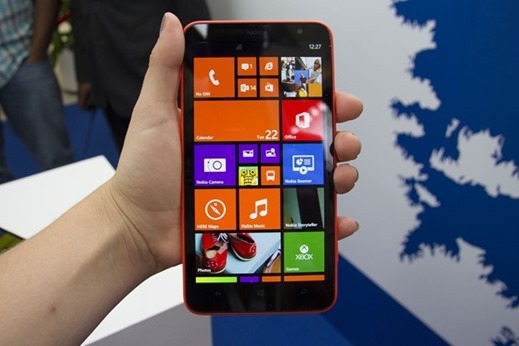
    nokia-lumia-1320The Phablet war is getting extreme day by day in the Indian marketplace. If you are out to buy a smartphone with an extra large display, you can get many offerings around. The Indian smartphone marketplace offers many Phablets by the Indian as well as International manufacturers at various price brackets. It is well known that the South Korean, Samsung is leading the Phablet segment and is closely followed by the Indian brand Micromax. However, both of them use Google’s Android as their OS.

    If you want a Phablet offering something other than Android OS, here is something really good for you. The Finnish manufacturers, Nokia has launched their latest Phablet naming as Nokia Lumia 1320 in Indian market at a price tag of Rs.23, 999. This smartphone sports an extra large 6-inch display which is a treat to your smartphone’s multimedia experience. Earlier, Nokia launched an affordable phablet naming as Nokia Lumia 625 sporting a 4.7-inch display.

    The Nokia Lumia 625 is available at an affordable price tag of around Rs. 15,000, which is much cheaper than Nokia Lumia 1320. But what makes Nokia Lumia 1320 a worth upgrade over Lumia 625, let’s find out here in a quick comparison between Nokia Lumia 1320 and Nokia Lumia 625.

    Display

    Nokia Lumia 1320 sports a brilliant 6-inch ClearBlack IPS LCD Touch Screen, producing a resolution of 1280 x 720 pixels at 244 ppi. Whereas Nokia Lumia 625 sports a 4.7-inch IPS LCD Capacitive touch screen display which produces a resolution of 480 x 800 pixels at 199 ppi. Both these smartphones feature Corning Gorilla Glass 2 protection.

    Hardware configuration & OS

    Nokia Lumia 1320 houses a Qualcomm Snapdragon S4 chipset, Dual Core processor clocked at 1.7GHZ and added with 1GB of RAM. While, Nokia Lumia 625 is powered by a 1.2GHz Qualcomm Snapdragon Dual Core processor coupled with 512MB of RAM. Both these smartphones run on latest Microsoft’s Windows Phone 8 operating System. The Windows Phone Store features many useful applications and addictive games which enhance the Windows Phone experience.

    Camera

    For photography on the go, both Nokia Lumia 1320 and Lumia 625 houses a standard 5 Megapixels Autofocus Rear Camera supported with LED Flash. This rear camera is capable to record Full HD 1080p videos. You can enhance the camera results by downloading useful camera applications by Nokia. These smartphones also carry a VGA camera on their front for video calls.

    Storage

    Nokia Lumia 1320 and Nokia Lumia 625 offer similar 8GB of internal storage memory, which can be expanded further up to 64GB using a MicroSD card.

    Connectivity

    The connectivity features of both these smartphones are almost same including 3G, Bluetooth 4.0, GPS with A-GPS, GLONASS, WI-Fi, WI-Fi hotspot (Internet Sharing), USB 2.0, MicroUSB and 3.5mm audio jack.

    Battery

    Nokia Lumia 1320 is fuelled by a 3400mAH non-removable battery, while Nokia Lumia 625 is fuelled by a comparatively weaker 2000mAH battery. Nokia Lumia 1320 features wireless charging options which is absent on Nokia Lumia 625.

    Verdict

    In the end, it can be clearly stated that Nokia Lumia 1320 is a clean winner because of its bigger & better display, powerful processor, RAM and battery. But on the same time camera, storage memory and connectivity features of both Nokia Lumia 1320 and Lumia 625 are similar.

    The final decision remains in the hands of the buyer. Nokia Lumia 1320 is a perfect buy for those who want an extra large touch screen on their smartphones. It is a complete entertaining device as well. And Nokia Lumia 625 is for them who can adjust their multimedia usage in a 4.7-inch display at an affordable pocket friendly price tag.

  • Samsung Galaxy Grand 2 : The Grandeur in High Definition

    Samsung Galaxy Grand 2 : The Grandeur in High Definition

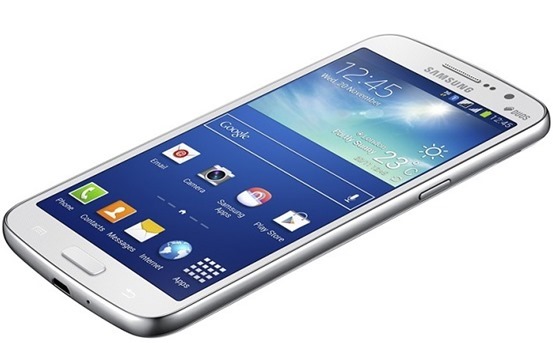
    The much awaited sequel to the popular Galaxy Grand series from Samsung is finally here and quite pleasantly, it lives up to the hype. The Grand series phones from Samsung that can be accommodated in all different price brackets and yet offer the grandeur and power of some big, high end models like the S-series and the Note. samsung galaxy grand-2-02
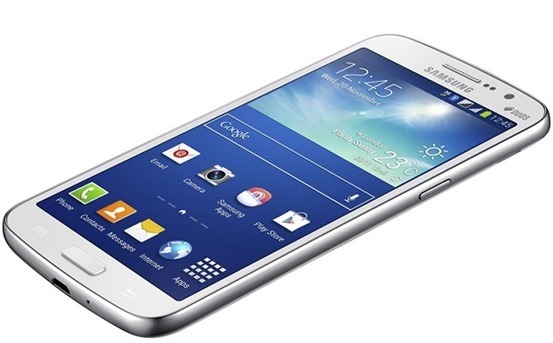
    The Galaxy Grand 2 sets the ball rolling with advanced and enhanced hardware as well as improved software. It also sports a much identical faux leather look as seen in Galaxy Note 3. The Galaxy Grand 2 packs in a 5.25-inch HD display with a screen resolution of 1280×720 pixels. It is powered by a 1.2 GHz quad-core CPU and packs in RAM cache of 1.5 GB. It runs on Google’s Android 4.3 OS an also comes with S Travel, Story Album, S Translator, Group Play, Sound & Shot, Samsung Link and Samsung Hub. The device’s further details are highlighted below.

    Better display

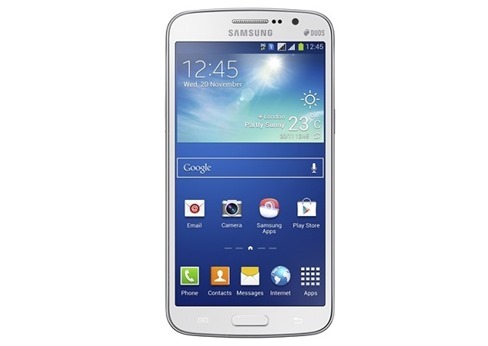
    If there is one thing that truly stands about the Galaxy Grand 2, then it has to be its better and bigger display. With a 5.25-inch screen, the Galaxy Grand 2 gets a bigger screen than the previous version. Its screen is also bigger than the Galaxy Grand Quattro that was launched in May. The Galaxy Grand 2’s display features a 720p display with a 1280×720 pixels screen resolution. Samsung had released news about the launch of this phone and it did not mention the inclusion of a screen protector. samsung galaxy grand-2-01
    Processor

    The Galaxy Grand 2 from Samsung comes powered by a dual-core 1.2 GHz processor. It also packs in massive RAM cache of 1.5 GB which is an advancement over the Galaxy Grand’s 1 GB RAM. However, the Korean handset manufacturer has kept the same internal memory capacity of 8 GB with the Galaxy Grand 2. The internal memory remains the same for all Galaxy Grand devices. With the Galaxy Grand 2, the user can expand the memory capacity up to 64 GB with a micro SD card.

    Design

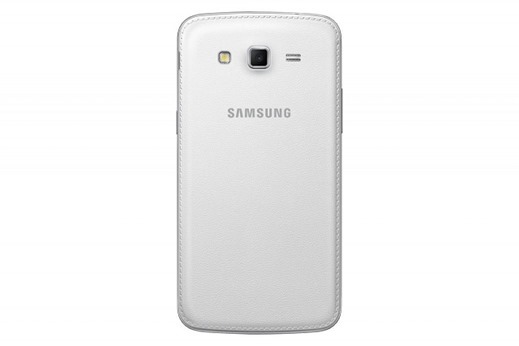
    Out of all the phones in the Galaxy Grand series, the Galaxy Grand 2 is the thinnest of all. It is only about 8.9 mm thick and is lesser than the Galaxy Grand, which is thin at 9.6 mm while the Galaxy Grand Quattro measures 9.7mm in thickness. The Galaxy Grand 2 gets a stitched leather look on the rear panel that was first seen on the Galaxy Note 3 phablet. The leather texture also renders it a smooth touch feel which is lacked by the other Galaxy Grand phones.

    What comes as even more interesting is that the enhanced display size and the much powerful processor of the Galaxy Grand 2 do not lead to a rise in its weight. The Galaxy Grand 2 weighs only 1 grams more than the earlier Grand. The Galaxy Grand 2 will be sold in trendy pink color options, as was seen with the Galaxy Note 3, apart from white and black.

    Camera and battery

    Samsung’s Galaxy Grand 2 gets the same camera as seen in the Galaxy Grand. It features a 8 megapixel primary shooter apart from a 1.9 megapixel front camera for video calling. The front-facing camera of the device can be utilized for clicking self-portraits as well as recording 720p HD videos.

    The primary snapper also has features like Continuous Shot, Best Photo and Best Face. Samsung also provides an improved battery with the Galaxy Grand 2. It gets a 2600 mAh battery pack for supporting the enhanced processing power and the big screen of the device. samsung galaxy grand 2-03
    Connectivity

    The Galaxy Grand 2 get slotted as a mid-range phablet and features a host of connectivity options, both wireless and wired. It has dual SIM card slots, WiFi Direct, Wi-Fi b/g/n, GLONASS A-GPS, Bluetooth v4.0, 3.5 mm audio jack and MicroUSB V 2.0. The 2600 mAH Li-ion battery back up provides enough charge to use the device for a complete day for low to normal usage.

    Operating System

    The Galaxy Grand 2 really impresses with its OS. It is running on Android 4.3 Jelly Bean OS and sports similar features as seen in Galaxy Note 3. The 4.3 Jelly Bean is the latest version of Android and comes with an interface that well complements the premium and advanced features of the device. Samsung Link, Group Play, Samsung Hub, Sound & Shot, S Travel, S Translator, Story Album are some of the premium features that make way in the Grand 2.

    Samsung is also offering three months free access to Club Samsung that features music, movies, entertainment lives shows content and gigs.

    Price

    It was expected that Samsung would be launching the Galaxy Grand 2 at a price of about Rs. 21,500. This was the same price at which Galaxy Grand was launched. However, Samsung maintains a Rs. 22,990- Rs. 24,990 price bracket for the Galaxy Grand 2. Samsung is also providing some freebies with the phone. The Galaxy Grand 2 went on sale in India last week of December, 2013. Also, the Canvas 5 and the Intex i17 were also launched in the market. The Intex i17 Octa-Core comes at a price of Rs. 20,000 and the Canvas 5 also carries a similar price, thus giving stiff competition to the Galaxy Grand 2. It remains to be seen whether Galaxy Grand 2 makes its presence felt in the market and beats its competitors.

    The Galaxy Grand 2 also features dual SIM (GSM + GSM) functionality. It comes in three exciting colors- Pink, Black and White and gets Samsung’s exclusive S Translator, Story Album, Sound & Shot, S Travel and other software. Samsung also launched a one-stop destination –Club Samsung for its India-based infotainment content.

    The Samsung Galaxy Grand 2 faces cut-throat competition from home-grown handset makers like Karbonn, Xolo and even Micromax. All these manufacturers have launched their flagship devices like the Karbonn Titanium SD, Xolo Q3000 and the Micromax Canvas Turbo. What remains interesting is that all these devices pack in better specs than the Galaxy Grand 2 but come at a price below Rs. 20,000.


  • China reveals own government-approved Operating System

    China reveals own government-approved Operating System

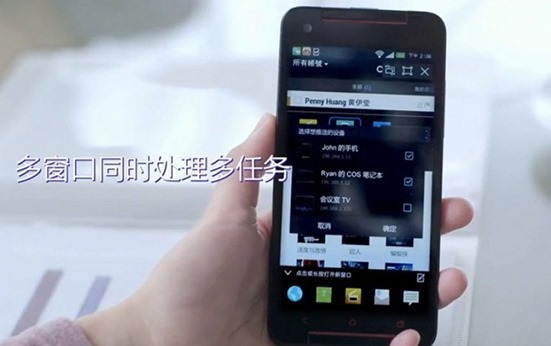
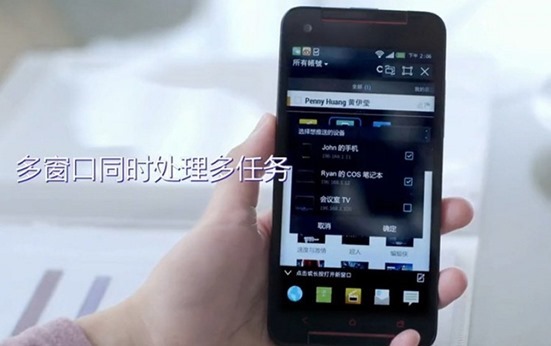
    Chine-mobile-osChina offers revealed a unique mobile system, named China Main system (COS) using the try to split the actual monopoly of giants actually have available in the market. The particular state-approved as well as government-funded operating system was developed collectively by simply China’s Institute of Software at the Chinese Academy of Sciences (ISCAS) and Shanghai Liantong Network Communications Technology.

    COS is based on Linux as well as serves just as one managing system pertaining to Computers, mobile phones, tablets, as well as set-top box along with sustains HTML5 apps.

    ”The operating system has already risen to become a national security matter,” said Shanghai Liantong Network Communications Technology in a statement on its website.


    The COS is “completely” independently developed, from the basic coding to the user interface, said an article posted on the Chinese Academy of Sciences website.

    COS is not the only domestically produced operating system to make headlines recently. On Jan. 9, the Chinese technology company Coship Electronics announced that it had produced the country’s first smartphone operating system with independent intellectual property rights. The company’s chairman, Yuan Ming, said that the system, called 960 OS, took 15 years to develop.

    Will probably be exciting to be noticed simply what types of impact COS could have about competing operating systems in the region, specially with the latest deal which Apple was able to ink with China Mobile. iPhone goes on discount sales with the business beginning next week pursuing negotiations on prices which started in 2008 having then-CEO Steve Jobs.

  • Few Smartphone Predictions for New Year 2014

    Few Smartphone Predictions for New Year 2014

    Last year we witnessed a large number of mobile technologies including high resolution 1080P displays, quard core processors, professional DSLR etc. So, what in store for the 2014? Here are some five predicitions for smartphone technology that might turn out to be true in 2014:

    1. Curved Screen

    In the end of 2013 we heard a lot on curved OLED display for many smart devices, where Samsung’s Galaxy Round and LG’s G Flex introduced how it would look and work, yet each company trails a new form factor in their home nation of Korea but in 2014 mostly will push curved screen devices in western countries too. However, its unclear what the advantage would curved display will carry than that of flat display.samsung-5-inch-curved-youm-prototype

    2. Shift to 64-Bit

    As we all know Apple has indroduced us to Apple A7 SoC, used in newly released Iphone 5s, iPad mini and iPad Air. It was also the first ARM chip introduced to consumer devices with 64-bit address and as the news spread, companies such as Qualcomm and Samsung rapidly blench into action, revealing their next SoC’s would be 64-bit capable and based on ARMv8-A structure. However, few of like the Snapdragn 410 are proved not to be a high-end chip, where Cortex-A53 is the succesor to that of Cortex-A7 that means It won’t be as powerful as Cortex-A15 or other ARM CPU cores, However, it is scheduled for release in second half of 2014 for smartphones

    3. Display Beyond 1080p

    We witnessed amazing screen displays with 1080p resolution but can you think beyond? Well many people said 720p to 1080p was a benifit. However, progessing higher to 1920×1080 seems to have lesser benifits as 1080p already look like paper. In spite of this fact, companies like Samsung and LG are looking ahead for 2560×1440 display and in 2014 we’re likely to see few handsets with this feature.

    4. More Operating Systems

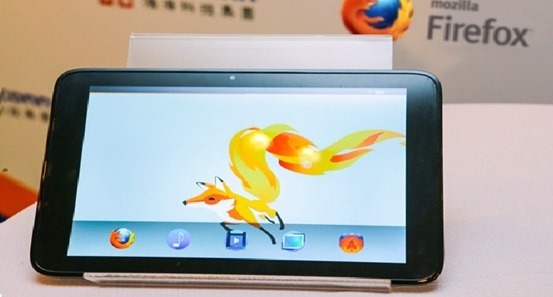
    Although android has occupied a major chunk of the mobile OS, same will carry in 2014 but likely there would be more to add-up with the launch of few more operating systems with something different, or promising to change the way we use mobile devices. However, many of them will be Linux variants and would be targeting low-end devices which yet to be exploited. Some like Firefox OS, Sailfish OS, BlackBerry 10, Ubuntu Touch, Tizen and many others we have heard in 2013. But still Android, iOS and Windows phone will remain the big dogs for time to come however, they too will keep on bringing some innovation in their devices to give good competition to their competitors.


    CES 2014: Mozilla Premiers Firefox OS Tablet Developer Program


    5. Cheaper Is Better

    All the companies have tried their best to offer decent hardware at a low price and the Google Nexus 5 was up with fantastic display for just $350, and the Nexus 7 also proved once again thta 7-inch tablet can be cheaper and same did the Moto G. Well, let’s not forget the Windows phone either, where Nokia’s Lumia 520 was tagged with one of the bestselling smartphones of the year. However, same in 2014 Google’s camp will continue with the cheap Nexus devices as they have much more to offer with the new Android 4.4 KitKat too.


    Author Bio

    This guest article has been composed by Christy Root who works for Prepaymania and, who writes Guest Articles, Press Releases for Mobile Phones. She loves to update herself with different mobile technologies.

  • CES 2014: ZTE shows of its Modular Phone

    CES 2014: ZTE shows of its Modular Phone

    zte-modular-phoneModular phone concepts like Motorola’s Project Ara have always got our gadget juices flowing, and ZTE has just given us probably the most salivating prototype we’ve seen yet.

    At CES here, ZTE is revealing its modular phone concept, named the Eco-Mobius. The model on display is locked behind glass, and try once we did representatives wouldn’t normally take it off from its tomb for a detailed look. However the concept does show how users could replace the camera, battery, display, and “core” modules. The core includes separate modules for the processor, RAM, storage, and graphics processor.

    It’s an exceptionally attractive style. All the elements are snapped collectively inside of an obvious plastic situation that conveniently exposes how modular the telephone is. Nevertheless, that’s all of the Eco-Mobius is actually for the present time – it’s simply an impressive style. As a style concept, that is only a visual appear at what ZTE imagines a modular cell phone could appear to be later on.zte-modular-phone-close

    A representative at ZTE’s booth had been clear that the business had not been developing the telephone, though engineers could be operating towards addressing the many difficulties that must definitely be overcome before a cell phone like this actually becomes possible.

    Modular smartphones that consumers can upgrade one part at a time are a pretty intriguing idea. Not merely could the equipment lessen waste, it might also save customers money and present them the independence to obtain exactly the kind of handset that very best suits their needs. Regrettably, modular smartphones appear to be a ways faraway from hitting the mainstream, as ZTE continues to be in the study stage and Motorola is actually planning to start the alpha edition of its Modular Advancement Kit sometime this winter season.

    It’s still fascinating to see businesses chasing the modular smartphone fantasy, though, and hopefully their initiatives begin to bear fruit sooner rather than later. Until that occurs, you could find more pictures of ZTE’s Eco-Mobius prototype at the hyperlink below.

    Follow it all at CES 2014 on Gizmantra

  • ZTE debuts in India with six new smartphones

    ZTE debuts in India with six new smartphones

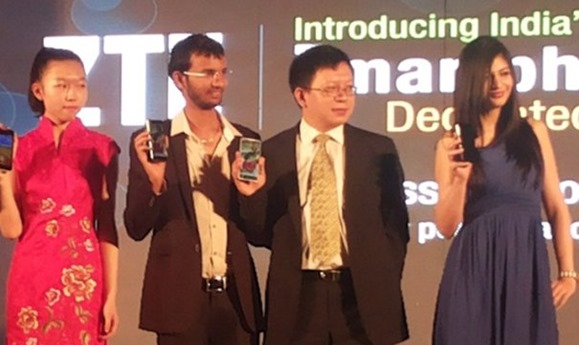
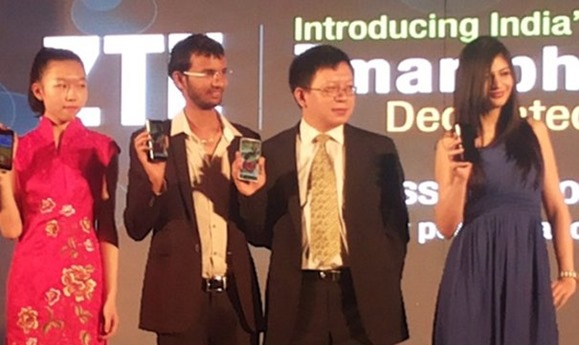
    zte-india-launchChinese handset giant ZTE on Friday made its debut in Indian handset market in a big way launching six new Android smartphones priced between Rs. 5,000 and Rs. 15,000.

    ZTE is a Chinese smartphone making company and is the fourth largest handset manufacturer in the world. It’s mid-range and low-range phones could be direct competition to direct players like Micromax, Karbonn, Xolo and others.

    They launched six smartphone models and four 3G datacards in the market today.

    The smartphones are all priced between Rs5,000 – Rs15,000.

    The six smartphones launched are:
    1. ZTE Grand X for Rs14,999
    2. ZTE Blade G2 for Rs 11,599
    3. ZTE Blade C for Rs7,599
    4. ZTE Blade L for Rs 12,599
    5. ZTE Kis Flex for Rs 5,799
    6. ZTE Blade E for Rs11,999

    Thr premium phone in the bag is the ZTE Grand X which comes with a 1.2 GHz quad core processor. It has a 1GB RAM and 4GB  of internal memory. External memory can be extended upto 32GB.

    It is priced at Rs14,999. It will not hit the stores immediately but will be available in the coming days.

    ZTE Grand X Quad Lite key specifications
    * 5-inch display with a resolution of 540×960 pixels
    * 1.2GHz quad-core processor
    * 1GB of RAM
    * 4GB of internal storage
    * 5-megapixel rear camera
    * VGA front-facing camera
    * 3G, Wi-Fi, Bluetooth 4.0, GPS and wireless charging
    * 2500mAh battery
    * Android 4.2 (Jelly Bean)

    All the six phones run on Google’s Android operating system.

    “In the first year, we will just demonstrate the products and introduce new devices in India. Going ahead, we are sure that we will have a 20-25 per cent share of the smartphone segment in the next 3-4 years, given the quality and features of our products,” ZTE India Vice-President (Handsets) Yuan Kang told PTI.

    Speaking on the launch, Xu Dejun, CEO of ZTE India, said, “We offer 214 service centres accross the country to address your greviances. We also have a full fledged Research and Development unit to stay up-to-date with the leading technologies. With in-house manufacturing and RnD, we aim to offer quality products at reasonable prices.”

    “By the year end, we aim to have our pan India presence with the smartphones and data cards,” he added.

  • MWC 2013: Samsung officially shuts down bada, Time for Tizen Now

    Samsung has shown off a Tizen reference device at MWC 2013. The first devices running Tizen are expected to hit store shelves as early as June this year.

    We’ve known since last year’s rumours, that Samsung will be shutting down development of the bada OS, and instead focus on its open-source Linux-based OS Tizen which it is building in collaboration with Intel. That announcement is now official, and the Korean giant aims to allocate resources from bada to Tizen, whilst helping developers with the transition. The bada OS was Samsung’s self-developed smartphone OS that initially gained traction, but ultimately failed to grab a market share when compared to Android-powered devices in the same price range.

    The first devices running the Tizen OS are expected to hit store shelves as early as July 2013. Apart from Samsung and Intel, who are at the forefront of the development of the OS, NTT Docomo has committed itself as a carrier for the device in Japan.

    After getting a look at Tizen 2.0 in action on this developer device, it definitely looks like the OS is coming along nicely. It seems to have most of the trappings of a modern OS, like a slide-to-unlock lock scree, multitasking menu and notification shade, but there are some small parts of those features that are a bit different than what we’re used to seeing. For example, the green battery indicator below the time at the top of the screen and the fact that the action of swiping down to access the notification area actually pulls the home screen down to the bottom of the display rather than pulling the notification shade down over the top of the home screen.

    The Tizen Association has been working for a year and a half on the application ecosystem, and there are thousands of apps already ready to support the platform. But the group declined to provide an exact number, and only said that there would be a robust number of apps by the launch.

    The show has also been the place for upstart operating systems. Mozilla unveiled its Firefox OS earlier in the show, complete with a large group of partners backing the initiative. Phones running on the Ubuntu mobile OS have been floating around the show as well.

    The mobile industry is definitely becoming a bit more crowded as of late with all of the new OSes that are coming soon, including Tizen, Sailfish OS, Ubuntu and Firefox OS. It’s not known which of those platforms will take off and which will fizzle out, but with heavy backing from Intel and Samsung as well as support from several other companies, Tizen’s certainly got a shot at gaining some traction. After watching Tizen 2.0 in action on Samsung’s reference hardware, what are your thoughts on the OS?

  • MWC 2013: Nvidia Shows smartphone ‘Phoenix’

    Nvidia might make your next smartphone. The Nvidia Phoenix – pictured here – is a reference phone for the time being, but the company has already shown it’s not afraid to make its own kit with Project Shield and now it could be setting its sights on the smartphone and tablet market.

    Nvidia is keeping schtum about the particulars, but reckons that with its components facing tougher market conditions (the unlikely phrases ‘increasingly vertical’ and ‘commoditisation’ were used) a move to make its own smartphones and tablets will pay off in the long run.

    While won’t be able to grab of these devices, be sure you you take a good look at the Phoenix, as it’s going to be a while before we see anything else like it. Nonetheless, this reference design rocks the NVIDIA Tegra 4i, which we’ve most recently seen it tearing the competition to pieces in some recently released benchmarks.

    While the Phoenix itself isn’t for the end consumer, it certainly doesn’t mean that we don’t want one. The device shows off just what the NVIDIA Tegra 4 can do, and that’s good enough for us. The reference design ships with a 5 inch 1080p HD display, 13 megapixel camera, and more.

    The Tegra 4 family is leaps and bounds more powerful than the NVIDIA Tegra 3, and will offer up some great native features, like always-on HDR.

  • MWC 2013: Intel’s Show off Clover Trail+ (Dual core processor)

    Intel has announced an array of new mobile processors and an LTE solution at the Mobile World Congress 2013 in Barcelona.

    The new Atom processor platform, codenamed Clover Trail+, is designed for smartphones, with long battery life in mind. There are three initial 32 nanometer dual-core processors to choose from, the Z2580, the Z2560, and the Z2520, with speeds at 2.0 GHz, 1.6 GHz, and 1.2 GHZ respectively, which is up to double the computing speed of previous Atom processors.

    With many rivals already jumping to quad-core, Intel will soon follow with the Atom Z2760 processor, codenamed Bay Trail, the company’s first quad-core SoC. Intel is teaming up with Compal, ECS, Pegatron, Quanta and Wistron to help bring this chip to the market, in addition to its previous partnership with top computer makers like Samsung, Acer, Asus, Dell, Lenovo, LG, HP, and others. It will be available around Christmas of this year.

    “Today’s announcements build on Intel’s growing device portfolio across a range of mobile market segments,” Hermann Eul, vice president and co-general manager of Intel’s Mobile and Communications Group, said in a statement. “In less than a year’s time we have worked closely with our customers to bring Intel-based smartphones to market in more than 20 countries around the world, and have also delivered an industry-leading low-power Atom SoC tablet solution running Windows 8, and shipping with leading OEM customers today.”

    Intel officials said the new Atom platform offers twice the performance and up to three times the graphics abilities of its “Medfield” predecessor, all in a low-power envelope.  They said that Asus, Lenovo and ZTE are among the first OEMs to offer smartphones and tablets based on Clover Trail+. Lenovo at the MWC was showing off the K900 smartphone running on the new Atom platform.

    The company is also jumping on the 4G LTE bandwagon with the unveiling of the XMM 7160 multimode-multiband LTE solution, which it claims is the smallest and lowest-power technology of its kind, making it ideal for smartphones, tablets and Ultrabooks. Its modem can support 15 LTE bands at the same time, more than any rival, and the RF architecture can run real time algorithms for envelope tracking and antenna tuning, which results in cost-efficient multiband configurations. This is due out in the first half of the year, in time for an expected major boom in 4G connectivity.