
 Modular phone concepts like Motorola’s Project Ara have always got our gadget juices flowing, and ZTE has just given us probably the most salivating prototype we’ve seen yet.
At CES here, ZTE is revealing its modular phone concept, named the Eco-Mobius. The model on display is locked behind glass, and try once we did representatives wouldn’t normally take it off from its tomb for a detailed look. However the concept does show how users could replace the camera, battery, display, and “core” modules. The core includes separate modules for the processor, RAM, storage, and graphics processor.
It’s an exceptionally attractive style. All the elements are snapped collectively inside of an obvious plastic situation that conveniently exposes how modular the telephone is. Nevertheless, that’s all of the Eco-Mobius is actually for the present time – it’s simply an impressive style. As a style concept, that is only a visual appear at what ZTE imagines a modular cell phone could appear to be later on.
A representative at ZTE’s booth had been clear that the business had not been developing the telephone, though engineers could be operating towards addressing the many difficulties that must definitely be overcome before a cell phone like this actually becomes possible.
Modular smartphones that consumers can upgrade one part at a time are a pretty intriguing idea. Not merely could the equipment lessen waste, it might also save customers money and present them the independence to obtain exactly the kind of handset that very best suits their needs. Regrettably, modular smartphones appear to be a ways faraway from hitting the mainstream, as ZTE continues to be in the study stage and Motorola is actually planning to start the alpha edition of its Modular Advancement Kit sometime this winter season.
It’s still fascinating to see businesses chasing the modular smartphone fantasy, though, and hopefully their initiatives begin to bear fruit sooner rather than later. Until that occurs, you could find more pictures of ZTE’s Eco-Mobius prototype at the hyperlink below.
Follow it all at CES 2014 on Gizmantra
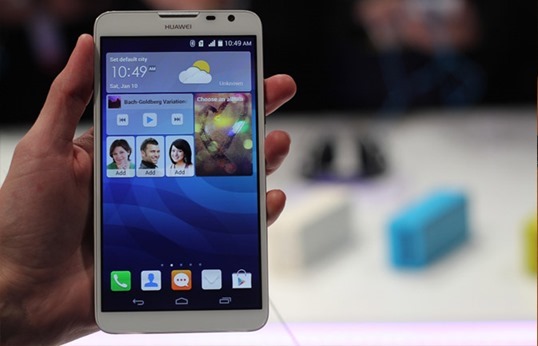
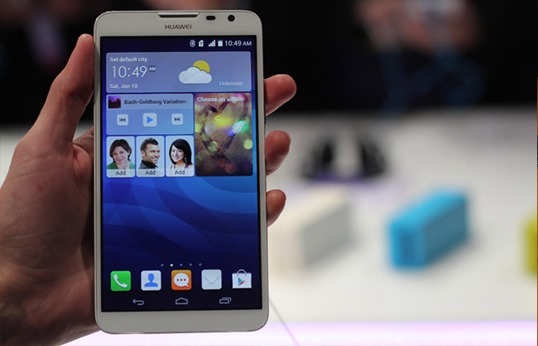 The Huawei Ascent Mate 2 does everything big. It’s a 6.1 Android mega-phone with a whopping 4050mAh battery in the relative back, making it potentially the longest lasting smartphone to date. For perspective, the T-Mobile Galaxy Note 2 includes a 3200mAh battery — nearly 1000 mAh significantly less than the Mate 2 — also it lasted 11 hours during our testing. The Mate 2 doesn’t skimp on optics either: the front-facing camera’s 5MP sensor took excellent selfies. Throw in 4G LTE support and a March arrival to the U.S. smartphone market, and you’ve got a large device with big features that’ll be a large problem for your competition.
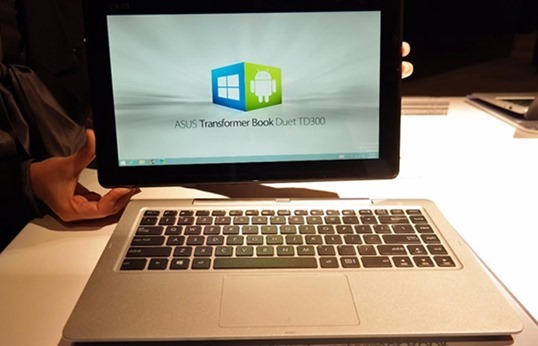
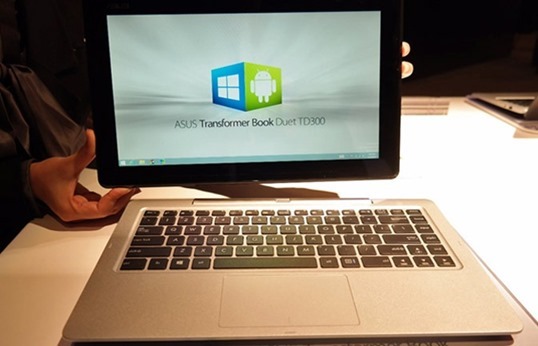 The ASUS Transformer Book Duet TD300 unites Windows 8.1 and Android. Thanks to BlueStacks’ virtualization software, this 13-inch combo tablet-laptop can switch between Microsoft’s and Google operating systems at the press of a button. That gives users access to Word Excel or documents spreadsheets in Windows, and lets them swing a quick game of “Angry Birds: Star Wars” over in Android. With a detachable keyboard dock, the Duet hits high notes on specs: there’s up to a 1TB storage drive, USB 3.0, HDMI and a 1080p display upgrade.
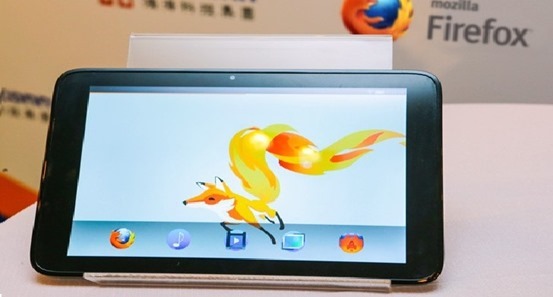
 Mozilla has recently shown some Firefox OS enhanced smartphones at CES 2014 and contains also announced its plans to enter the high-end smartphone market with two versions which are yet to come.



 Intel CEO Brian Krzanich wants to introduce you to Edison, a miniature computer based on the same technology condensed into the form factor of an SD card. The tiny computer is built on the company’s 22nm transistor technology, runs Linux and has built-in WiFi and Bluetooth modules.

 With an eye on upcoming crazy days in January, we’re steeling ourselves for a glut of phones, tablets, laptops, gaming tech, TVs, wearables, refrigerators and whatever other home appliances companies can stick a computer into.

 Lenovo’s S930 features Dolby-enhanced audio.
