
With the announcement of the new Tegra 4 processor and devices, NVIDIA is looking to showcase what it is capable of by highlighting 5 new Tegra 4 optimized games in TegraZone. Burn Zombie Burn, Carie: Blood Mansion, CODEX: The Warrior, Dead on Arrival 2 and RU Golf have all been updated with enhanced graphics to show off just what makes Tegra 4 so much more appealing over other processors when it comes to playing games. NVIDIA is well known for partnering with game developers to release these high-end titles via the TegraZone, and these will kick it off for Tegra 4.
More about Tegra 4
Burn Zombie Burn

Developer: Tick Tock Games
Burn Zombie Burn blasts onto the mobile scene for the first time with fast-paced, console-quality action that has you striving to survive against a never-ending horde of zombies. With a slew of weapons available for your zombie-blasting pleasure, you’ll master the art of eradicating the undead.
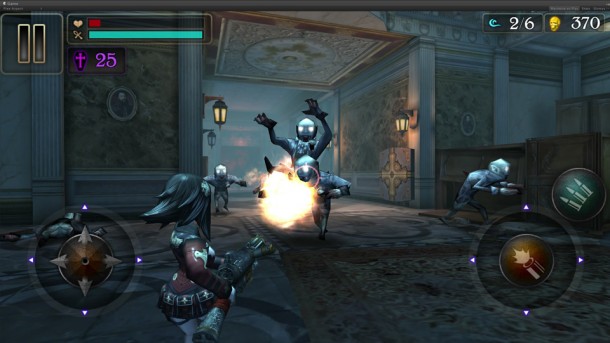
Carie: Blood Mansion

Developer & Publisher: Neowiz
Tegra device users will get an exclusive map in Carie: Blood Mansion, with even more immersive graphics on Tegra 4 devices. You’ll guide Carie through bloody battles in this action adventure title. Keep an eye on the high-res textures, enhanced physics simulations and optimized fire and smoke effects in the below video.
CODEX: The Warrior

Head-to-head fighting in this RPG title shows off what Tegra 4 is capable of with HDR (High Dynamic Range) lighting throughout.
Dead on Arrival 2

A follow-up to the original, Dead on Arrival 2 adds full map destruction and high resolution models.
RU Golf

Developer & Publisher: Nutgee
RU Golf swung onto the mobile scene last year for Tegra 3-powered devices and will follow through with Tegra 4. Experience mano-a-mano multiplayer online battles with dynamic specular lighting, soft shadows, and bloom and lens flare effects. With various levels and character customizing features, get ready to tee off with RU Golf.
As you can see from the games above, there’s a lot to look forward to. Now we’ll just patiently (or impatiently) wait for Tegra 4 devices to arrive so we can promptly throw our cash at these upcoming titles!

