Tag: specs

  • Apple iPhone 5c only at 99

    Apple iPhone 5c only at 99

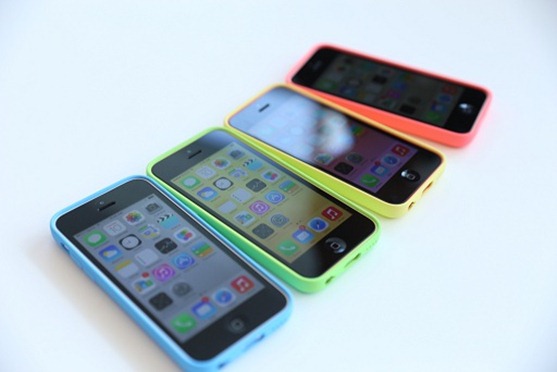
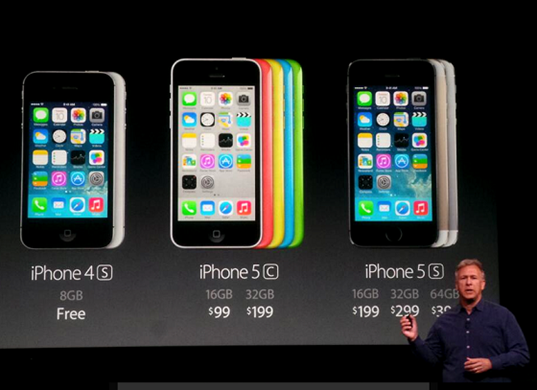
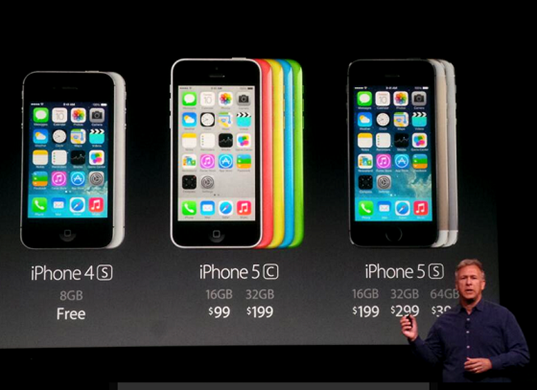
    iphone_cs_34_fullwidthApple finally revealed its two new iPhones, the iPhone 5S and the iPhone 5C. As the naming scheme implies, the 5S is the high-end successor to the iPhone 5 and it features (among other things) a snappy new 64-bit A7 processor, an M7 co-processor for tracking motion (you know, for fitness apps), and a Touch ID fingerprint sensor built into the home button. If it weren’t apparent at first glance, the 5S looks nearly identical to the original iPhone 5, though the black and white (sorry, silver) versions are joined by a gold model that was the subject of many a rumor in the weeks leading up to the event. iPhone 5c, a colorful plastic phone that starts at $99.

    The new phones arrive September 20th.

    Though the new color schemes are flashy — you can get the phone in silver, gold, or a darker space gray — the biggest changes are internal, with a new A7 chip that’s been reengineered for 64-bit architecture. Apple claims this will make the 5s several times faster than its predecessor. The camera has been updated with a new, larger Apple-designed sensor and a host of other features, and as rumored, the home button is now also a fingerprint scanner.

    The iPhone 5C will cost $99 for a 16GB model or $199 for a 32 GB model, with contracts. A colorful variety of cases will cost $29. The iPhone 5C will go on sale on Sept. 20, with pre-orders starting on Sept. 13.

    img_9100

    Apple has also confirmed the weirdest rumored feature of the iPhone 5s: a fingerprint sensor built right into the home button. Called Touch ID, it’s a substitute for the traditional PIN or password, with a thin capacitive sensor layered on top of the button.

    The iPhone 5c features a 4-inch Retina display, A6 chip, and an 8-megapixel iSight camera (the same as the iPhone 5), as well as an improved FaceTime HD camera on the front . Also available are custom, soft-feel rubber slipcases for $29 each based on the iOS7 color scheme. Though it is indeed a cheaper iPhone, the difference is more dramatic on contract; if you want to buy it unlocked, it starts at $549, in comparison to the $649 5s.

  • First Look at Samsung Galaxy Gear smartwatch

    First Look at Samsung Galaxy Gear smartwatch

    1240108_10151606469743045_816110074_n

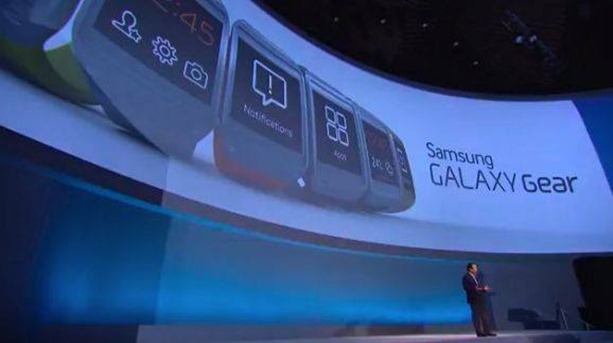
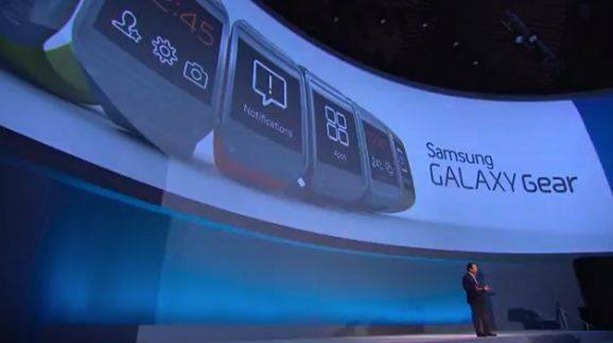
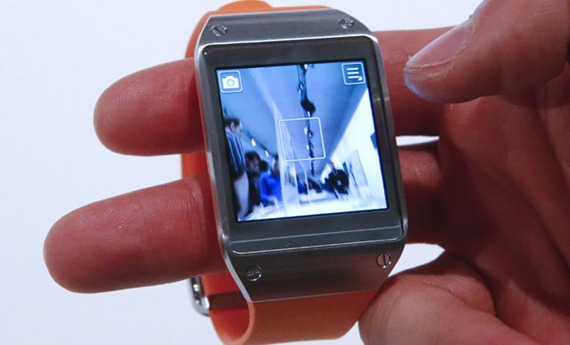
    Samsung Electronics unveiled its highly anticipated digital wristwatch that can snap photos, track workouts and use an array of apps – gadgetry that the company hopes will catapult it into a market of smart portable devices that leave cellphones in users’ pockets.

    Samsung will start shipping the $299 Gear smartwatch in September, ahead of a similar product expected from Apple. I had a chance to play with a pre-production unit for about 10 minutes and briefly with the version that Samsung announced Wednesday in Berlin on the eve of the annual IFA consumer electronics show.

    Features

    – 512 MB of RAM 

    – Internal memory of 4 GB

    – 800-megahertz, single-core CPU

    – Weighs 2.6 ounces

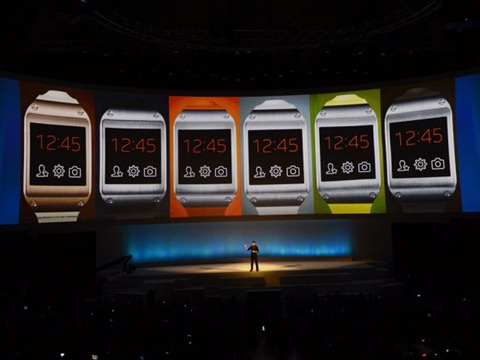
    – Available colors include lime green, oatmeal beige, wild orange, mocha gray, jet black and rose gold. samsung-galaxy-gear-watch

    The Pros

    – The Gear supports apps such as Facebook and lets the wearer answer incoming calls or check email without picking up the smartphone that’s paired with it.

    – The Gear’s design flair and ease of use are its sweetest attributes. It is sleek, with a thin metallic bezel surrounding the display. The strap comes in six different colors – black, gray, orange, beige, gold and green.

    – It is easy to activate the camera and quick to shoot a photo. It left both hands free while placing and answering calls. The full message can also be read. Samsung says replies are possible through voice dictation.

    – Easy navigation of the touch screen is one of the device’s biggest pluses.

    – Samsung has dispensed with buttons on the screen, so there’s no home or back button.

    – One tap anywhere on the screen takes and saves a photo in the Gear and the smartphone that’s paired with it.

    – The first generation of the Gear seems to be cool but not compelling enough.

    M_Id_416769_Samsung_Galaxy_Gear

    The Cons

    – Gear is not an independent device. For useful functionality, the Gear needs to be linked with a specific Samsung smartphone or tablet computer. The pairing is done wirelessly over a Bluetooth connection built in to both sides.

    – The Galaxy Gear may have an intuitive interface, but it is not an independent device, instead a slave which can be used only when it is paired to a smartphone.

    – The big disappointment for Samsung gadget owners is that the Gear does not work with most of its phones and tablets. For now the Galaxy Gear can only be paired with the Galaxy Note 3 smartphone and the Galaxy Tab 10.1 tablet PC.

    – It is priced at about twice the price of the Sony SmartWatch and the Pebble.

    – Its 1.9 megapixel camera is said to be of poorer quality than a typical smartphone camera.

    – One downside is that the Gear doesn’t support a wireless earpiece, so both sides of any conversation can be overheard.

  • Its all about Android 4.3

    Its all about Android 4.3

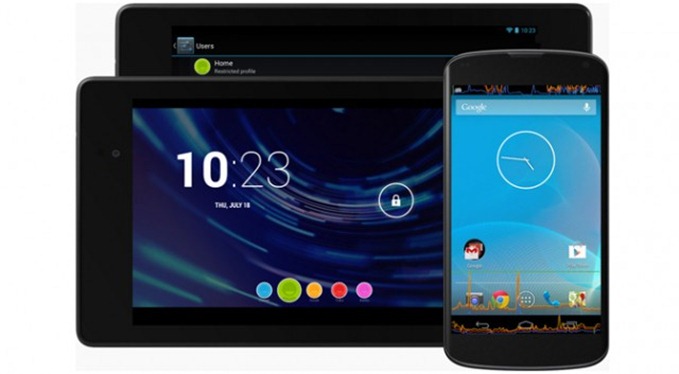
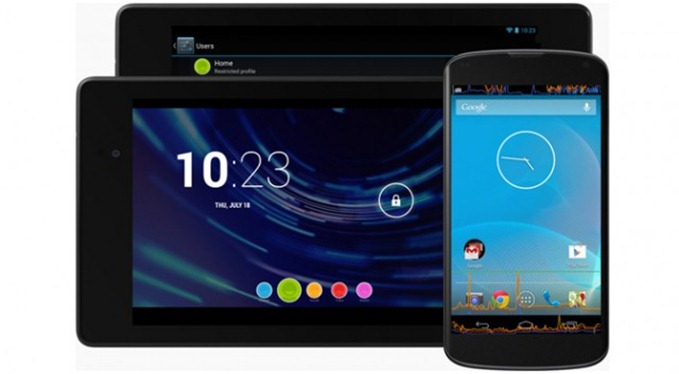
    Android-4.3-640x353Unlike previous versions of Android, 4.3 Jelly Bean leaked all over the place before the official announcement. A full system ROM was even extracted from a few internal Google devices and made available online.  Android 4.3 might not be the biggest update, but it’s still something to look forward to.

    Officially, Android 4.3 is still a version of Jelly Bean, which makes sense, considering the minor nature of its changes. But of course, this may disappoint Android fans whose mouths have been watering for Key Lime Pie since Google I/O in May.

    Performance Improvements

    With the first version of Jelly Bean, Google introduced us to Project Butter. This was a unified effort to streamline UI responsiveness with extra buffering and hardware acceleration. In 4.3, Project Butter has been enhanced with rewritten vsync timing, triple buffering, reduced touch latency, CPU input boost, and hardware-accelerated 2D rendering.

    Android 4.3 includes support for OpenGL ES 3.0, which makes Android the first mobile platform to support this standard. Game developers working with the native development kit (not running code through the Java virtual machine) will be able to take advantage of many new features.

    The new version of OpenGL allows apps to render higher-quality visuals and deeper textures on the same hardware. It should also make advanced native games run on a wider range of devices, assuming they are running Android 4.3 — which most won’t be.

    Multi-User Restricted Profiles

    The biggest addition to Android 4.3 is the Multi-User Restricted Profiles feature, which lets you control the usage of apps and other content on a user level. Multiple user profiles were already available in 4.2.2, but the ability to create restrictions has long been requested, so it’s sure to be a big hit.multiuser_lockscreen2_610x381
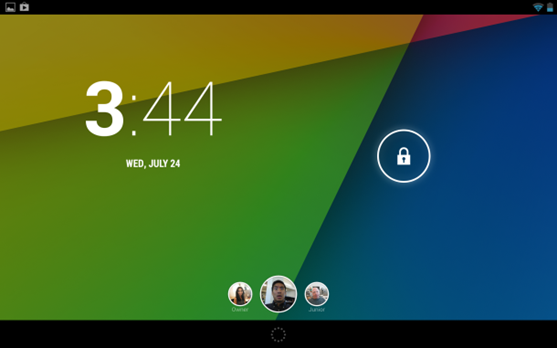
    The people most obviously to benefit from the new profile controls are parents. We saw this in Google’s demo; being logged into a restricted user profile caused an app to behave differently. Specifically, a freemium game showed up without all of the in-app purchasing functionality, which is clearly going to be useful for parents with young children who use the device.

    From the primary user’s Settings screen, it’s easy to configure a restricted account’s access using the sliders. And if an app offers in-app restrictions (such as the games mentioned above), then there’s a button for extra options next to it.

    With Restricted Profiles, Google is obviously trying to lure more users — specifically parents and businesses — away from iOS, a platform that still lacks a user profiles feature altogether. As well, the feature opens a number of doors to developers who can now create in-app restrictions.

    Open GL ES 3.0

    A big deal for gamers, Open GL ES 3.0 makes the new version of Android more efficient and just plain better at displaying graphics. Google’s demo showed us impressive textures, lens flares, and reflections that the older OS would have had trouble displaying. While the upgraded graphics might be indiscernible to the average user, Open GL ES support is still important because of the new possibilities it opens up for developers.

    Bluetooth Smart technology
    jb-btle-300x168Support for Bluetooth Smart technology is another addition to Android 4.3 that wasn’t all that unexpected, considering it’s been available on iOS since early 2012. With this, the updated Android now allows you to connect with the newer generation of power-efficient accessories that use Bluetooth Smart. And of course, the Smart connection should be less taxing on your Android device’s battery. During Google’s presentation, we saw an Android device connecting with a Bluetooth Smart-enabled heart-rate monitor that was being powered by the popular Runtastic fitness app.

    The update also came with Bluetooth AVRCP 1.3 support, which lets your device now transmit metadata, like a song’s title and artist, to Bluetooth controllers.

    New DRM

    Android is an open platform, but it also has to work in the real world. To those ends, Android 4.3 includes new media DRM APIs. App developers will be able to more easily integrate DRM standards into their streaming services, which are often required to provide high-resolution video.

    As if to prove to us that more DRM in Android can be a good thing, Google announced at the event that the first app to make use of this feature is Netflix. The new version, which was quietly pushed on Monday, has support for the advanced DRM in Android 4.3. This allows the app to stream 1080p video. On other devices, it will still stream in standard definition.

    Hindi support lands on Android 4.3

    Google has introduced native local language support to its operating system for Africaans, Amharic, Hindi, Swahili and Zulu. Hindi has finally reached the stock Android operating platform.

    With the update, Google has also added support for Hebrew and Arabic (right-to-left) in the home screen, Settings, Phone, People, and Keep apps.

    Additional

    First up, is Android’s dialer, which now has autocomplete for both phone numbers and names. I haven’t gotten to try the feature on a phone yet, but its presence in 4.3 is confirmed, and the added convenience is notable. That said, the reality is that most Android users may not even notice the upgraded dialer, since autocomplete has already come built into the custom operating systems by hardware manufacturers like Samsung.

    One feature that Google didn’t formally announce is the new Emoji keyboard, which comes stock with the OS and can be enabled through the Language & input menu under Settings. Once enabled, you can long-press the spacebar key to pull it up and emote to your heart’s content.

    When I will get it ?

    If you have a Nexus 4, GSM Galaxy Nexus, or original Nexus 7, the update is going to be rolling out over the air to your device very soon. The new Nexus 7 will ship with 4.3 pre-installed, but that’s not leaving warehouses until July 30.

    Android 4.3 root using SuperSU via xda

    If you’re using any other Android device, you’ll have to wait on your OEM and maybe the carrier to get around to developing and approving a new OS version. That could take a few months, or it might never happen. Owners of newer devices like the HTC One and Galaxy S4 will get the update at some point.

    If you don’t want to wait with fingers crossed, the code for 4.3 has already been pushed to the Android Open Source Project, where it will be picked up by ROM developers. Give them a week or two, and 4.3-based ROMs such as CyanogenMod will start hitting the web.
  • HTC launches Desire 500 with android 4.2

    HTC launches Desire 500 with android 4.2

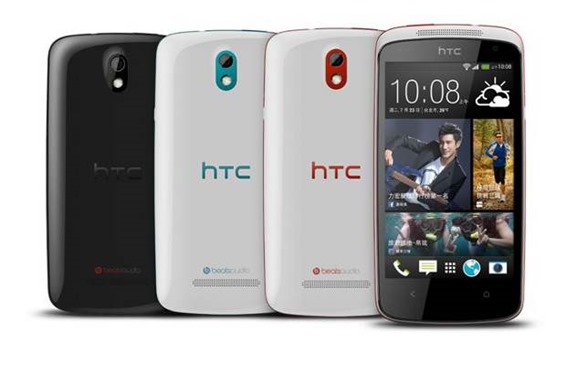
    htc-desire-500HTC has been aggressively launching smartphones all around the globe that include devices under its One and Desire series. Following the strategy, the company has launched Desire 500 in Taiwan. The device is said to be targeted at the younger consumers and is considered a mid-ranged smartphone.

    The quad core CPU based Desire 500 is likely to be priced under Rs 25,000 in India.

    The HTC Desire 500 is powered by 1.2GHz Qualcomm Snapdragon200 quad-core processor coupled with 1GB of RAM. It features a 4.3-inch WVGA display with a resolution of 480×800 pixels. The phone measures 131.8×66.9×9.9mm and weighs 123g. There is 4GB internal storage that can be further expanded up to 64GB with the help of microSD card. An 8-megapixel rear camera can be found at the back accompanied by an LED flash and a 1.6-megapixel front camera. The device can record videos at 720p and also features Beats Audio.

    HTC Desire 500 comes with a 1,800mAh battery that the company claims will deliver 17.8 hours of talk time and 401 hours of standby time. The HTC Desire 500 runs on Android 4.2 with Sense 5 on top and other features like BlinkFeed. However, the HTC Desire 500 does not include BoomSound which has been a part of HTC One series and features dual front speakers at the front panel.

    HTC Desire 500 is priced at NT$11,900 (approx. Rs. 24,000). There is no word yet about pricing and availability in markets other than Taiwan.

    HTC Desire 500 key specifications

    • 4.3-inch WVGA display with a resolution of 480×800 pixels
    • 1.2GHz Qualcomm Snapdragon200 quad-core processor
    • 1GB RAM
    • 4GB internal storage, expandable up to 64GB by microSD card
    • 8-megapixel rear camera with LED flash
    • 1.6-megapixel front facing camera
    • Android 4.2 Jelly Bean with HTC Sense 5
    • 1800mAh battery
  • Nokia Lumia 1020 with 41 MP Camera

    Nokia Lumia 1020 with 41 MP Camera

    nokia-lumia-1020While initially the phone was rumoured to be named Nokia 909, Nokia launched the device as Nokia Lumia 1020. The phone comes with a 41 MP Nokia PureView camera and Xenon flash. While the phone is a successor to Nokia PureView 808 which also features a 41 MP cam and a Xenon flash, Nokia has provided some commendable upgrades to the Lumia device.
    Picture 2900Camera aside, the Lumia 1020 is largely unchanged from the specifications of Nokia’s Lumia 920 and 925. Nokia is adding 2GB of RAM instead of 1GB, and it’s opting for a 4.5-inch AMOLED display like the Lumia 925. There’s some microphone improvements, but the device will run the same 1.5 Ghz dual-core S4 processor as the 920 and 925. One change is the dimensions. The camera is obviously rather large on the rear, but Nokia has managed to keep the device thinner and lighter than the 920. It’s not as slimline as the 925, but it’s 10.4 mm thick and weighs 158g.

    The 41-megapixel Pureview sensor includes optical image stabilization, 6-lens Zeiss optics, and a xenon flash, making it the centerpiece for the rear of the phone. It can shoot still images at 38-megapixel in 4:3 and 16:9 aspect ratios. At the same time as it captures the high-resolution images, it also takes an oversampled 5-megapixel image using the sensor that can then be easily shared thanks to its smaller file size. The Lumia 1020 supports 1080p video capture, complete with 4x zoom and up to 6x at 720p. Nokia is releasing a Pro Camera app with the Picture 2772Lumia 1020 to take advantage of the sensor and manually adjust flash, focus, ISO, white balance, shutter speed, and exposure. It also includes a number of editing functions to crop and alter photos. Nokia is bundling a leather wrist strap with the Lumia 1020, making it even more point-and-shoot-like, but a optional Camera Grip accessory provides a casing for the device with extra battery, a shutter button, and even a tripod mount.
    Whether its outer casing will be metal or polycarbonate remains to be seen, although the Finnish company’s previous high-end device the Lumia 925 sported a metallic chassis and soft-touch rear.

  • Micromax Canvas 4 launched for Rs 17,999

    Micromax Canvas 4 launched for Rs 17,999

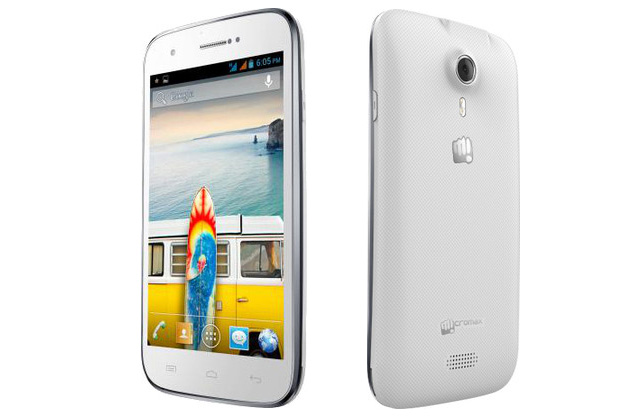
    canvas-4-priceAfter a massive marketing campaign that included televised ads, Micromax has launched the Canvas 4  price for Rs 17,999. Micromax opened pre-orders for the smartphone on June 28 and in the lead up to the launch it has amassed 11,500 pre-bookings.
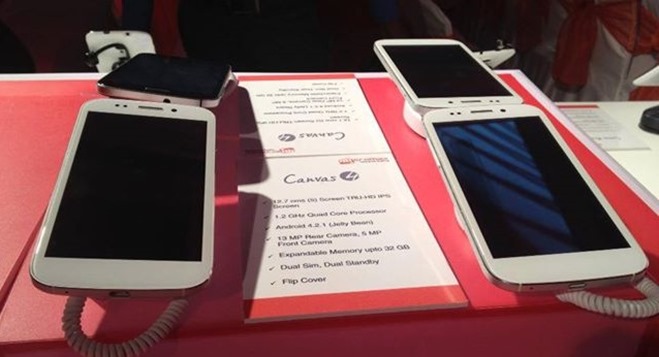
    The Canvas 4 has a 5-inch HD IPS display and comes in an aluminium casing that also doubles up as an antenna. Micromax says that touchscreen is optimised for use even while wearing gloves.

    The phone is powered by a Cortex A7 1.2 GHz quad-core processor and but doesn’t run on the latest version of Android Jelly Bean, but instead comes with its predecessor Android 4.2.1.

    The phone has 1GB RAM and an internal storage of 16GB.

    Micromax A92 Canvas Lite Now Available For Rs 8,499

    Design wise, it actually seems to be a rebadged version of the BLU Life One and it is actually a step up for Micromax in terms of build quality. It has an aluminium band that wraps around a plastic front and back, and it flaunts iPhone 5 like chamfers.

    It has a microSD card slot and has 16GB of user internal memory, of which about 10GB is available to users. Like most Micromax phones it is a dual-SIM smartphone and has a 2,000 mAh battery.

    One of the unique features of this phone is Blow to Unlock, wherein you essentially blow a kiss to your phone to unlock it (yes, that’s an actual feature). Other, more sensible features include video pinning to pin videos on the homescreen and look away to pause video, stuff that’s straight out of Samsung’s TouchWiz. You can also turn the phone down during a call and it automatically switches to loudspeaker mode It also comes with a special aluminium cover that’s worth Rs 3,000 which is part of the package.

  • LG Optimus G Pro launches at Rs.42,500

    LG Optimus G Pro launches at Rs.42,500

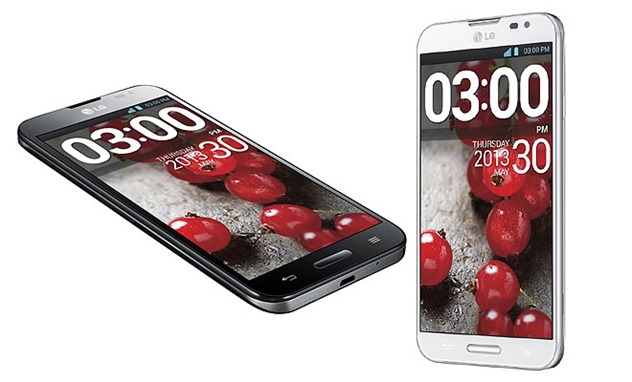
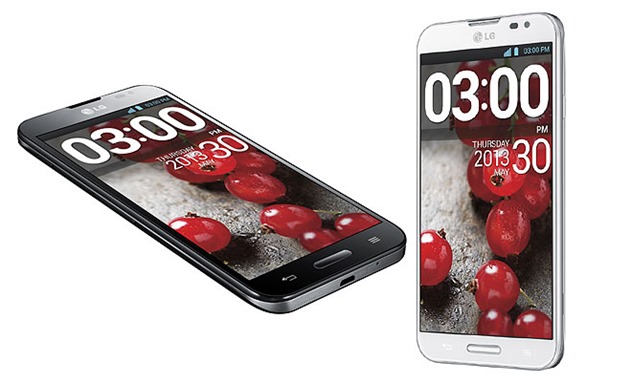
    LG_Optimus_G_ProLG launched their Galaxy Note II competitor phablet LG Optimus G Pro in India today and the phone definitely packs a punch! LG Optimus G Pro is definitely a premium gadget but comes with specifications to match the price and the hype.
    With this launch, the company has entered into the high-end smartphone segment ranging around Rs 40,000, eyeing a slice of the share from competitors like BlackBerry, Samsung, Sony and Apple’s iPhone.

    LG Optimus G Pro price in india Rs 42,500

    Reports suggest that LG is working on a long term strategy for India. With a solid investment of Rs 80 crore to push its sales in the Indian market, LG’s Optimus Pro G runs on Android Jellybean v4.1.2 operating system and is powered by a 1.7 GHz Qualcomm Snapdragon 600 quad-core processor. The smartphone has a 5.5 inch full HD IPS display, which carries the DNA of LG’s high definition TVs. This model has a pixel density of 400ppi, one of the highest in the market. The device has 2GB RAM and an internal memory of 16 GB. Equipped with 4G LTE, LG Optimus G Pro has the battery capacity with 3,140 mAh with an improved 13 MP rear and 2.1 MP front Full HD camera. The smartphone boasts dual recording that captures video with both the front and rear cameras simultaneously and virtual reality panorama feature allowing 360 degree viewing, from taking pictures of both horizontal and vertical environment. The UX features popular with Optimus G users have been added to the Optimus G pro, such as upgraded Q Slide, Live Zooming and Quick Memo. Other features in the smartphone include Q Remote, Audio Zoom, Video Wiz, Magic Remote Pad.

    Soon Kwon, Managing Director, LG India said, “Smartphone market in India is growing rapidly and there is a huge demand for big screen size mobile phones. The market size for 5 inch and above screens is expected to be 1.5 million units by end of 2013. With this launch we are gearing towards our aim of capturing 10% market share of the smartphone category by end of 2014.”

    LG Optimus G Pro Specs

    – Chipset: 1.7GHz Quad-Core Qualcomm Snapdragon 600 Processor
    – RAM: 2GB DDR
    – Memory: 32GB / microSD (up to 32GB)
    – Display: 5.5-inch Full HD (1920 x 1080 pixels / 400ppi)
    – Camera: Rear 13.0MP with LED Flash / Front 2.1MP
    – OS: Android 4.1.2 Jelly Bean
    – Battery: 3,140mAh (removable / wireless charging capable)
    – Size: 150.2 x 76.1 x 9.4mm

  • Design your own smartphone with Moto X

    Design your own smartphone with Moto X

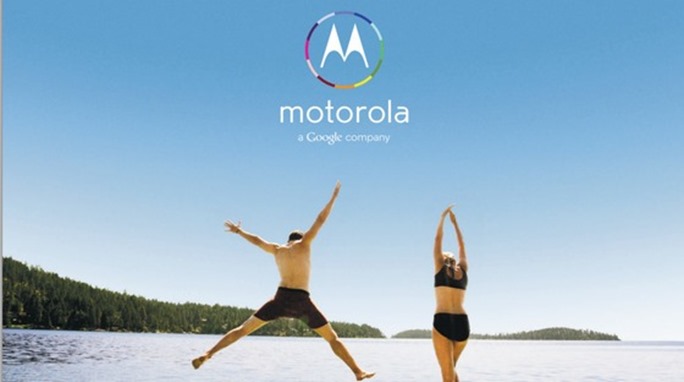
    Moto-X-ad-designGoogle with its Motorola–are releasing a brand new smartphone sometime in the near future. And beyond the revelation domestic models of the Moto X will be assembled entirely in the United States, Motorola is now claiming the consumer will have some type of say in the smartphone’s design. As reported by a new ad touts the Moto X as the first smartphone designed by you. As ad says

    “The first smartphone that you can design yourself. Because today you should have the freedom to design the things in your life to be as unique as you are.”

    Pushing the “made in the USA” theme, the newspaper ad evokes images of the July 4th holiday and summer. Citing the Moto X as “something new,” the ad seems to state you’ll have some opportunity to have input in the Moto X model you purchase. Granted, what the means precisely is still pretty unclear. But the possibilities are interesting, nonetheless.

    A spokesman for Motorola said that by keeping its assembly work in the U.S. instead of Asia, it didn’t need to fly its engineers out to far flung locales to check on production.

    What would you want in a customizable smartphone? Let us know what kind of hardware or software you would pack into a smartphone from Motorola in comments.

  • Samsung Galaxy note 3 on Sept. 4 with 3GB Ram, octa-core processor

    Samsung Galaxy note 3 on Sept. 4 with 3GB Ram, octa-core processor

    This is a heart-warming news for many Sammy fans. Samsung Galaxy note 3 release date is set for Sept. 4 and specs include 3GB Ram, octa-core processor and FullHD display

    Korean tech giant Samsung’s next generation version of its top selling phbalet Galaxy Note 3 is all set to be introduced in the market next month. The phablet that is being talked about as the next big thing following the introduction of the flagship handset of the company is expected to come with a slightly bigger display compared to 5.5 inch display size of the current version Galaxy Note 2.

    Galaxy Note 3 will ship with the same 13-megapixel camera as the Samsung Galaxy S4.

    Pricing on the Samsung Galaxy Note 3 is yet to even be rumoured, but we think it will probably be more expensive than the Galaxy Note 2. After all, the screen is much larger.

    Taking the price change between the 5-inch Galaxy Note and 5.5-inch Galaxy Note 5-inch into account,

    The phablet will come loaded with Exynos 5 octa-core processor, Mali 450 GPU with 8 cores and 3GB of RAM. The combination of these is going to make the phablet the best of all in the market.

  • Micromax A92 Canvas Lite Now Available For Rs 8,499

    Micromax A92 Canvas Lite Now Available For Rs 8,499

    The price tag is 8,499. The smartphone has features such as 12.7-cm (5-inch) TFT capacitive touch screen display with a resolution of 480X854 pixels.

    It boasts of 1GHz dual-core processor apart from 512MB of RAM. In addition to it, the smartphone has 4GB of internal storage with 0.94GB being user accessible. Moreover, the storage can be increased to 32GB through microSD card. A dual-SIM GSM+GSM smartphone, connectivity options include 3G, Wi-Fi 802.11 b/g/n, Bluetooth and GPS.
    It has a 5 megapixel auto focus camera with LED flash, where the camera can record videos at 30 fps. But, there is no front camera for sure.
    Running on Android 4.1 (Jelly Bean), it has G-Sensor, light sensor and proximity sensor. The smartphone measures 77X147X10.8 mm and is powered by a 2,000mAH battery. According to the company, it provides 6 hours of talk time and 240 hours of standby time on 2G network.