Intel has announced an array of new mobile processors and an LTE solution at the Mobile World Congress 2013 in Barcelona.
The new Atom processor platform, codenamed Clover Trail+, is designed for smartphones, with long battery life in mind. There are three initial 32 nanometer dual-core processors to choose from, the Z2580, the Z2560, and the Z2520, with speeds at 2.0 GHz, 1.6 GHz, and 1.2 GHZ respectively, which is up to double the computing speed of previous Atom processors.
With many rivals already jumping to quad-core, Intel will soon follow with the Atom Z2760 processor, codenamed Bay Trail, the company’s first quad-core SoC. Intel is teaming up with Compal, ECS, Pegatron, Quanta and Wistron to help bring this chip to the market, in addition to its previous partnership with top computer makers like Samsung, Acer, Asus, Dell, Lenovo, LG, HP, and others. It will be available around Christmas of this year.
“Today’s announcements build on Intel’s growing device portfolio across a range of mobile market segments,” Hermann Eul, vice president and co-general manager of Intel’s Mobile and Communications Group, said in a statement. “In less than a year’s time we have worked closely with our customers to bring Intel-based smartphones to market in more than 20 countries around the world, and have also delivered an industry-leading low-power Atom SoC tablet solution running Windows 8, and shipping with leading OEM customers today.”
Intel officials said the new Atom platform offers twice the performance and up to three times the graphics abilities of its “Medfield” predecessor, all in a low-power envelope. They said that Asus, Lenovo and ZTE are among the first OEMs to offer smartphones and tablets based on Clover Trail+. Lenovo at the MWC was showing off the K900 smartphone running on the new Atom platform.
The company is also jumping on the 4G LTE bandwagon with the unveiling of the XMM 7160 multimode-multiband LTE solution, which it claims is the smallest and lowest-power technology of its kind, making it ideal for smartphones, tablets and Ultrabooks. Its modem can support 15 LTE bands at the same time, more than any rival, and the RF architecture can run real time algorithms for envelope tracking and antenna tuning, which results in cost-efficient multiband configurations. This is due out in the first half of the year, in time for an expected major boom in 4G connectivity.
LG showcased its much hyped Optimus series devices, that we’ve known about for quite sometime now, at the Mobile World Congress. It reiterated the presence of the Optimus G and Vu series and officially debuted the F and LII series of smartphones that have been seen in the previous weeks gaining momentum to the MWC.
LG Optimus G series
The company announced its latest flagship, the Optimus G Pro, which was recently launched in Japan and Korea both countries receiving different variants of the device. As expected both devices were spotted on the MWC floor.
To recap, the Korean version of the Optimus G Pro comes with a 5.5-inch 1080p full HD IPS display, a powerful 1.7GHz quad-core Qualcomm Snapdragon S4 Pro processor with 2GB RAM, Android 4.1.2 Jelly Bean, 3,140mAh battery, 13-megapixel rear shooter and a 2.1-megapixel front camera. The device features advanced UX features like dual-recording allowing users to shoot video from both the cameras simultaneously and Virtual Reality Panorama to capture panorama shots at 360 degree, QSlide, Live Zooming and QuickMemo.
The device features the typical LG glitter pattern on the back panel offering a "Digital Cube" effect, which is quite reminiscent of the Nexus 4. It sports a curved glass display that the company claims to give it a "2.5D" effect. The handset will be available in black and white colours and will pack a rather slim bezel.
This joins the company’s Optimus G that was originally launched in September last year. It is powered by 1.5GHz quad-core Snapdragon S4 Pro processor alongside 2GB of RAM. It includes a 4.7-inch 1280×768 (320ppi) display and sports a 13-megapixel rear camera and a 1.3-megapixel front shooter.
It comes with 32GB of built-in flash storage, but no microSD card slot or expandable storage of any kind. Connectivity options include Wi-Fi, Bluetooth, Micro-USB and NFC. The phone originally shipped with Android 4.0 Ice Cream Sandwich, but as per the listing on Saholic, in India, the phone will come with Android 4.1 Jelly Bean preloaded. The device is now available online in the country for Rs. 30, 990.
LG Optimus Vu Series
The LG Optimus Vu was launched in Korea and Japan in August last year and reached India two months later priced at Rs. 34,500. The 5-inch device simply made an appearance at MWC. It features TRUE-XGA IPS Display with a 1024×768 pixel revolution and a 4:3 aspect ratio.
Other specs include a 1.5GHz quad-core processor with 1GB RAM, Android 4.0.4, 32GB of internal storage and a 2,080mAh battery. The device also boasts a variety of connectivity options like Wi-Fi, 3G (HSPA+21 Mbps), Bluetooth 4.0, HDMI, DLNA, NFC, LTE and A-GPS. LG is also offering an NFC Tag(3) and a Rubbebdium Pen with the Optimus Vu.
The successor to this device came in the form of the Vu II, with a Qualcomm 1.5Ghz dual-core processor on board with 2GB RAM, 3 GB of internal storage, an 8-megapixel autofocus rear shooter and a 1.3 megapixel front camera and a 2150mAh battery. It is available in three colour options – white, black and pink. The Pen of the Optimus Vu II has a slimmer nib, which LG feels will facilitate more accurate handwriting. Other features include Vu Talk and QRemote.
LG Optimus LII Series
LG unveiled the next generation L Series II smartphones – the Optimus L3 II, Optimus L5 II and Optimus L7 II ahead of their official debut at MWC. The Korean manufacturer claims that it has built upon the widely successful L Series smartphones that sold more than 10 million units in the first 10 months, to include "contemporary design aesthetics and innovations that improve on the original".
In that regard, LG says it has introduced four new design elements incorporating a Seamless Layout, Laser Cut Contour, Radiant Rear Design and Smart LED Lighting on the home button.
The Optimus L7 II features a 4.3-inch IPS WVGA display, Android 4.1 Jelly Bean, 8-megapixel rear camera with LED flash, VGA front-facing camera, 1GHz dual-core Qualcomm MSM8225 processor with 768MB RAM, 4GB of internal storage and microSD card support. The handset measures 121.5 x 66.6 x 9.7 mm, and comes with a 2,460 mAh battery.
The Optimus L3 II with 3.2-inch QVGA IPS display and 1,540mAh battery Optimus L5 II has a larger 4-inch WVGA display and 1,700mAh battery.
The LII Series devices are said to be equipped with various proprietary features like QuickMemo, Quick Button and Safety Care.
QuickMemo allows users to capture and share handwritten ideas with a single tap, while Quick Button enables customers to personalize a hotkey to launch any app such as the camera, browser, music player or even QuickMemo. Safety Care offers three options – Emergency Call Forwarding, Phone Non-Usage Notice’ and My Location Notice – which can be programmed for emergency contacts.
LG Optimus F series
Earleir teased on LG’s Facebook page, the new F Series device feature the 4G LTE capable Optimus F5 and F7 smartphones. The device images were posted by notorious Twitter user @evleaks a week before the Barcelona event.
The Optimus F7 is said to feature a 4.7-inch True HD IPS (312ppi) display, a 1.5GHz dual-core processor, 2GB RAM, 8GB internal storage with a microSD slot for up to 32GB expansion, an 8-megapixel rear camera, 1.3-megapixel front camera and a 2,540mAH battery.
The Optimus F5 will sport a 4.3-inch IPS (256ppi) display, a 1.2GHz dual-core processor with 1GB RAM, 5-megapixel rear camera, 1.3-megapixel front camera, 8GB internal storage expandable upto 32GB via microSD and a 2,150mAH battery. Both the phones will feature Android 4.1.2 Jelly Bean and will have latest LG features like QSlide, QuickMemo, Live Zooming, QTranslator and Video Wiz amongst many others.
The company claims the handset’s LTE Category 4 modem offers download speeds of up to 150Mbps.
Networking and telecommunications equipment specialist Huawei Technologies introduced the Ascend P2, which the company claims is the world’s fastest smartphone with a 1.5GHz quad-core processor and Long Term Evolution (LTE) Category 4 technology, which provides download speeds of up to 150M bps.
The handset sports an infinity edge 4.7-inch high-definition in-cell touch display with second-generation Corning Gorilla Glass and will be available in black and white. The Ascend P2 will be on sale in France through network operator Orange in June 2013 and will also be available globally in the second quarter of 2013, the company said.
"We’re pleased to be working with Huawei again to enable our customers to have easier and faster access to all their favorite content," Yves Maitre, senior vice president of mobile multimedia and devices at Orange, said in a statement. "We are impressed by the design and look forward to putting the Ascend P2 into the hands of consumers as soon as possible."
The Emotion UI is also preinstalled with a smartphone housekeeper function to support real-time data-traffic tracking, automatic blacklisting and blocking, periodical system cleaning, and spontaneous exiting of idle programs and cache cleanup. The device also features antivirus, energy saving, privacy protection, software management and other functions.
The company claimed its proprietary swift sharing technology supports uploads and downloads two to three times faster than other smartphones in a WiFi environment, while its near-field communication (NFC) module enables e-payments and can act as an electronic ticket. In addition, Huawei’s Quick Power Control (QPC) and Automated Discontinuous Reception (ADRX) power-saving technologies reduce power consumption and charging time.
Other features include a 13-megapixel rear-facing camera with high dynamic range (HDR), and a 1.3MP front-facing camera for self-portrait and video shooting. A dedicated camera key on the side of the phone also allows instant access to picture taking, with one click for the camera to be activated and another time to take the shot. With Huawei’s camera algorithm, high-definition images can be captured even in backlit conditions, and the camera also features auto-adjustment modes.
The touch-screen, just 8.4mm slim, offers a "magic touch" feature that provides enhanced screen responsiveness, even when the user is wearing gloves.
Additionally, instant keyword translation and Wikipedia searches can now be done on a single window with the company’s "smart reading" technology. The screen also calibrates its brightness automatically under a variety of light conditions.
2012 was a tough year for HTC and they need to do something dramatic in 2013 to compete for customers in the Android market.
With the HTC One we see innovations in hardware and software along with HTC finally releasing an Android device across multiple carriers in the US with the same name and hardware. Apple does this with the iPhone and Samsung has done it with the Galaxy S III and Note II.
HTC was able to actually release hardware with the same name and design on multiple carriers with the HTC 8X, but that is running a platform (Windows Phone 8) that has yet to gain any appreciable market share. I think having the HTC One, an Android smartphone, on multiple carriers with the same name and design will indeed help the HTC brand and that is something that must be done to succeed.
Gone by the wayside are those pure polycarbonate hulls — HTC’s Sense 5-laden Android Jelly Bean (4.1.2) handset comes crafted with an all-around premium look and feel, housing its 4.7-inch 1080p Super LCD 3 display (boasting 468 dpi and protected by Gorilla Glass 2) in a machined aluminum unibody. And, in a bid for the top spot on the mobile totem pole, the One also bears the distinction of being (one of) the first smartphones to feature Qualcomm’s quad-core Snapdragon 600, clocked here at 1.7GHz and paired with 2GB RAM.
One of the coolest new functions, HTC Zoe camera utility. Zoe is named after the zoetrope, a device that appears to make still images move. The HTC Zoe utility lets you use the camera to create Zoes, 3-second videos that can then be easily "mashed" together with still images, videos, and theme music to create fun highlight films that you can then share with others.
HTC’s taking a risk with the One. Flip the handset around and you’ll find an unassuming rear shooter in the midst of that clean aluminum body. Or, as the company calls it, the UltraPixel camera. Tackling the "myth of the megapixel," HTC’s outfitted the One with a 4-megapixel BSI sensor and f/2.0 lens, such that each pixel is meant to gather 300 percent more light than the current crop of smartphone sensors. The camera unit also features optical image stabilization and HTC’s ImageChip 2 for HDR, 1080p and 60fps video. But that’s not the end of HTC’s imaging focus. It’s also introducing a new feature / service dubbed Zoe, which allows users to capture and share short videos, much like Vine, via
Torrent Player is a free torrent video player for mobile devices. Using this application you can watch videos without having to wait until it will download.
Allows watch movies from torrent directly
Support embedded file types (mp4, mov, 3gp, mpv)
Support seeking in movie while downloading
Support encryption connection
Support Airplay!
Completely Free!!!
Requirements:
Compatible with jailbroken iPad, iPhone and iPod touch. Requires iOS 5.0 or later.
Android version will be added soon.
About:
Torrent Player allows to watch movies from torrent. Apple never let this app to the App Store. So if you want to use this app you must have jailbroken iOS device and follow instructions below.
Android version will be finished as soon as posible. It will be awailable at Google android market.
In next updates we try to add support all video formats. We promise 🙂
Updates:
Version 0.0.11
Released on September 12, 2012
NEWChinese localization
Version 0.0.10
Released on September 7, 2012
FIXThepiratebay Bug Fix
Version 0.0.9
Released on September 2nd, 2012
FIXVarious Bug Fixes
NEWGraphics for Retina Display
How to install on iOS
Torrent Player allows to watch movies from torrent. Apple never let this app to the App Store. So if you want to use this app you must have jailbroken iOS device and follow instructions below:
Open Cydia “Search” view. Input “TorrentPlayer” and tap cell with TorrentPlayer.
Tap “Install” and “Confirm” buttons at top-right corner.
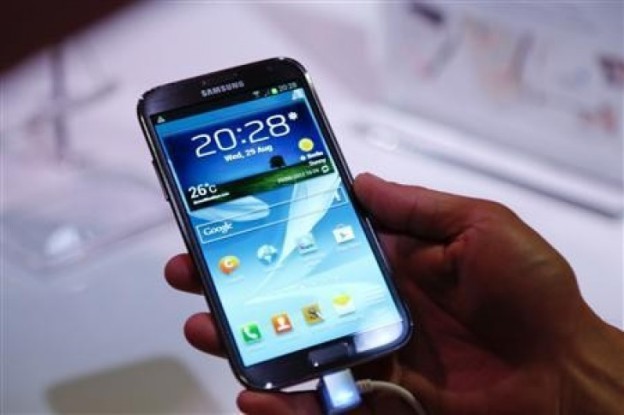
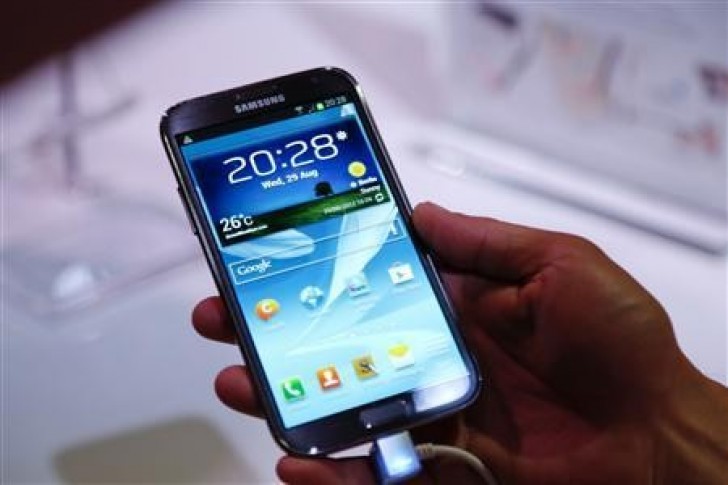
The Galaxy Grand is Samsung’s attempt to woo those who can’t afford a top-end device like the Galaxy Note II.
The Galaxy Grand is Samsung’s attempt to woo those who can’t afford a top-end device like the Galaxy Note II.
Price approx Rs 21,500
Which is almost twice as expensive as its low-cost rivals, but it’s the most-affordable option if you’re looking for a device from a tier 1 brand. Currently, the Galaxy Grand doesn’t face any competition from other tier 1 brands, but you may want to know how much better it is than the low-cost devices that offer similar specifications. Here’s a breakdown of the specifications to give you an idea how it compares with the closest competition.
A large-screen handset for those who can’t afford the Galaxy Note II
OS – Android 4.1.2 Jelly Bean
Very few current-generation low-cost Android phablets come preloaded with Android Jelly Bean; most of them come with Android ICS—however, you get the OS in the stock form. The Galaxy Grand runs Jelly Bean out of the box and not to mention, it boasts features found in the higher-end Galaxy handsets, such as Smart Stay, Pop up Play and Direct Call.
Cellular network – Dual SIM GSM and 3G
The Galaxy Grand is the first phablet from a tier 1 brand to offer dual-SIM capability in the sub-Rs 20,000 price band. Quad-band 2G is supported by both the SIM card slots, whereas 3G connectivity is supported only in the SIM1 slot.
Display – 5-inch WVGA
An HD display would have made the Galaxy Grand a killer deal, but unfortunately, it sports a 5-inch WVGA display that has a resolution of 480 x 800 pixels. On the other hand, you have the Micromax Canvas HD with a 720p IPS LCD. The pixel density of Galaxy Grand’s display is 187 ppi as against 294 ppi in the Canvas HD—that’s a difference of a good 107 ppi or 57 percent in density! That doesn’t mean it’s bad; there’s ample real estate for viewing web pages and documents comfortably and videos are enjoyable on the large 5-inch display.
Quite slim at 9.6 mm
Form factor and weight – a tad lighter than the Note II
Weighing in at 162 grams, Galaxy Grand is 20 grams lighter than Note II. It’s also a few millimetres less in height and width, but the Note II is slimmer than the Grand by a fraction of a millimetre.
Wi-Fi – Dual-band, 802.11 ‘n’
Like the Nokia Lumia 620, the Galaxy Grand is one of the few handsets in its segment to feature dual-band Wi-Fi ‘n’. So, if your router supports 5GHz wireless band, you can harness much faster connectivity.
SoC
This is grey area and we shall be able to give a clear picture only when we get our hands on the device. We got in touch with Samsung for exact details of the SoC this device uses, but we didn’t get any answer. For now, we can only say it’s powered by a 1.2GHz dual-core processor. According to one source who captured a glimpse of the Galaxy Grand at the Broadcom booth at the CES 2013, it’s quite evident that it’s powered by the Broadcom BCM28155 SoC. It comprises a pair of ARM Cortex-A9 cores and Broadcom’s own VideoCore-IV graphics engine for 2D and 3D acceleration.
Storage – 8GB with the option to expand by up to 64GB
Here, Galaxy Grand has an upper hand over Micromax Canvas HD. Firstly, Galaxy Grand packs 8GB of built-in storage, which is twice as much as in Canvas HD. And secondly, in contrast to microSD expansion of up to 32GB in Canvas HD, Galaxy Grand can take up to a 64GB microSD card.
8 megapixel camera with autofocus and LED flash
Primary camera – 8MP with LED flash
The 8MP primary camera featured in the Galaxy Grand has the same resolution as the one featured in Note II. There’s LED flash and digital image stabilisation to help you take clear shots in low light. Videos can be recorded at 1080p at 30fps. The Canvas HD too features an 8MP camera with LED flash, but only our hands-on tests will reveal which of the two takes better photos. Also, the secondary front camera in the Galaxy Grand is a 2MP one as against the VGA camera in the Canvas HD.
Sensors – Gyro, compass and more
The Galaxy Grand comes armed with sensors that will be of most use to the end user—accelerometer, gyro, proximity and compass. The list excludes barometer, but it’s fair for an entry-level phablet.
Battery – Li-ion 2100mAh
Both, the Galaxy Grand and Canvas HD feature a hefty 2100 Li-ion mAh battery to provide decent amount of talk time in addition to fuelling other tasks such as media playback, web browsing, gaming and so on. The Note II packs a 3100 mAh battery and it lasted for over two days without the need for a charge. Test revealed it played a 720p video in loop for over 12 hours without any hiccup.
The bottom line
Off late, we’ve seen many low-cost Android phablets (such as Micromax Canvas 2 and Lava Iris 501) featuring a dual-core processor, 512MB RAM, 4GB of internal storage and at least a 5 megapixel camera—you can buy one for around Rs 11,000. Cough up another few thousand rupees and you can buy a more feature rich device like the Canvas HD. However, if you’re reluctant to consider a lower-tier brand and don’t want to look beyond top-tier brands, the Galaxy Grand is for you. The specifications look good on paper, and the price point is sweet!
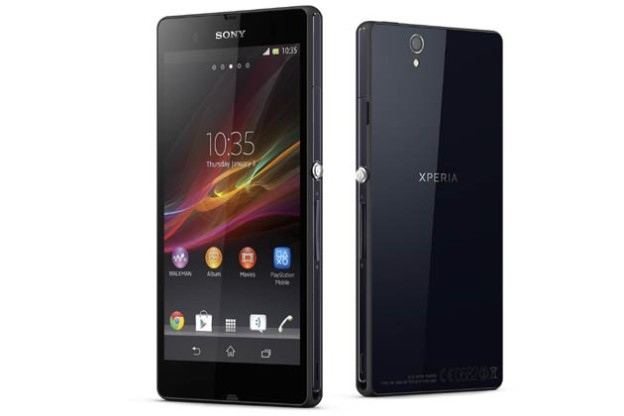
Sony Mobile Communications introduced its new flagship Android smartphone, Xperia Z. The phone has a 5-inch full HD 1080p Reality Display, and is powered by a Snapdragon S4 Pro quad-core processor. Sony Xperia Z’s Reality Display is powered by Mobile Bravia Engine 2.
The phone sports a 13 megapixel camera and includes 4G LTE. The Sony Xperia Z will launch globally in the first quarter of 2013.
According to the company, the Xperia Z also includes Battery Stamina Mode that is said to improve the standby time by four times or more by automatically shutting down battery-draining apps whenever the screen is off and starting them up again when the screen is back on.
Video
Photo
Gallery
Despite its slim 7.9 mm body, Xperia Z is said to be durable with tempered glass and anti-shatter film on the front and back. It is a dust-resistant and water-resistant smartphone.
In selected markets, a design variant of Xperia Z – Xperia ZL – will also be released in Q1 2013. Xperia ZL delivers the same experiences as Xperia Z but in a smaller form factor.
Xperia Z and Xperia ZL will launch on Android 4.1 (Jelly Bean) and will be upgraded to 4.2 shortly after launch for the latest Android user experience.
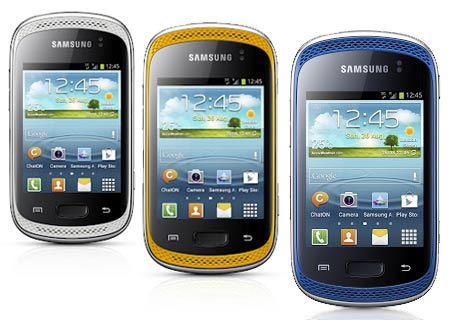
Samsung seems to have silently launched Galaxy Music Duos smartphone in the Indian market. The company had unveiled it internationally in October 2012 and begun taking pre-orders in India in the first week of December. The official cost of the device in India is Rs 9,199, though the street price is Rs 8,990.
The all-new Galaxy Music Duos is a dual-sim smartphone aimed at music lovers and comes with two speakers in the front, a dedicated music key and audio technologies like Sound Alive and SRS. This device has a 3-inch LCD touchscreen with 240×320-pixel resolution and runs on an 850MHz processor with 512MB RAM. It has 4GB internal memory and supports 32GB microSD cards for expansion.
Powered by a 1,300mAh battery, the device comes with a 3MP camera without flash and also misses a front-facing snapper. For connectivity, Samsung Galaxy Music Duos has features like Wi-Fi, 3G, 2G, Bluetooth 3.0 and microUSB.
Galaxy Music Duos features Always On technology, which allows users to take calls on one sim, while keeping calls on the other sim on waiting.
Key specs of Samsung Galaxy Music Duos:
Display: 3-inch LCD touchscreen with 240×320-pixel resolution; Operating system: Android 4.0 (Ice Cream Sandwich); Processor: 850MHz; RAM: 512MB; Memory: 4GB internal, support for 32GB microSD card; Camera: 3MP rear camera; Connectivity: Wi-Fi, 3G, 2G, Bluetooth 3.0 and microUSB; Battery: 1,300mAh; Misc: Dedicated music key, Sound Alive and SRS audio technologies, dual frontal speakers, Always On
The Aakash 2 student-friendly tablet was finally launched yesterday by the first citizen of the country, President Pranab Mukherjee, and with him, Union HRD Minister M M Pallum, on the occasion of National Education Day. The Union Minister of Communications and IT, Kapil Sibal, had announced a month ago that a new version of the beleaguered low-cost tablet would be launched this month. Datawind, the manufacturer, will supply 100,000 units of the Android 4.0 tablet with a 7" capacitive touchscreen to IIT Bombay in the first phase. These will be made available to engineering and other college students, with the goal of benefiting 220 million students in the coming years.
In terms of performance, the new variant is a leap ahead of the original. The CPU is 1 GHz, as opposed to the earlier, wimpy 366 MHz. However, the 512 MB of RAM is still a bottleneck on the ICS platform. It hasn’t been stated whether Google Play is supported, so we don’t yet know whether students can install apps and games from the online store without restrictions. Here are the full specifications of the Aakash 2:
Android 4.0 (Ice Cream Sandwich).
ARM Cortex A8 1 GHz with 512 MB of DDR3 RAM.
4 GB internal storage, 32 GB microSD support.
7", 4-point capacitive multi-touch display with pixel dimensions of 800×480.
0.3 megapixel front camera.
Wi-Fi 802.11 b/g/n
Mini-USB port with OTG, 3.5 mm audio jack, G-sensor.
3200 mA Li-ion battery with up to 3 hours of backup.
Package Contents: Wall charger, USB adapter, USB cable, 4-port USB hub.
Aakash 2 can run Linux distributions along with Android 4.0 Ice Cream Sandwich operating system. The device can also do Aadhar authentication and can even control a robot from a distant place, according to HRD Ministry officials. The tablet will be primarily used for classroom teaching and over 15,000 teachers at 250 colleges across the country have been provided training.
While Datawind will charge the HRD Ministry Rs 2263 per tablet, students will get a much-subsidised pricing of Rs 1130. In case you are wondering, the Aakash 2 is the same tablet that is commercially available as the UbiSlate 7Ci, launched in September this year and priced at Rs 3500.
The original Aakash was launched in October last year. It has been mired in controversy due to delayed shipments, with pre-order payments having been made months in advance. We really hope the subsidised tablet, which was meant for students, will reach its intended users this time around. Do you think it will? Sound off below!
The much awaited Google Nexus 7 tablet has finally found its way into the Indian market. It looks like today was the D-day for ASUS as it announced its four Windows 8 powered devices in the Indian market and it has spilled out beans about its Android Jelly Bean tablet. ASUS has now confirmed that its Nexus 7 tablet will be there for the Indian customers available through various large format retailers at a price of Rs 19,990. Unaez Quareshi, sales and distribution director, ASUS India said that the tablet has been priced at Rs 19,990 and will be available through Chroma, a Tata group electronics retailer, and other large format retailers, reports Mobile Indian. Google Nexus 7 is a 17.78-cm (7-inch) tablet featuring an IPS display along with 10 finger multi-touch support. The device runs on Google’s Android 4.1 aka Jelly bean and is powered by 1.2GHz quad-core Nvidia Tegra 3 processor. The tablet is incorporated with 1 GB of RAM which will smooth out the functions carried out on the device. Nexus 7 will be available in two variants- 8GB and 16GB storage. Though, Nexus 7 has received a remarkable response worldwide, still the competition is high with a few other Android tablets like Samsung Galaxy Tabs and Kindle Fire. iPad continues to be the market leader with 50 per cent shares in the global tablet market. Also, Google recently launched a 32GB version of the Nexus 7 tablet which sports a 1.2 MP front camera and connectivity options like WiFi, Bluetooth and NFC.
Google updated the Nexus 7 tablet released earlier this year. It increased the storage on the $199 version of the device to 16GB from 8GB, and introduced a new $299 version of the Nexus 7 with a cellular data service option. Google also unveiled a new Nexus 4 smartphone, made in partnership with LG Electronics, that features a quad-core processor and a 4.7-inch display.
MORE ABOUT THE NEXUS 7 Google selling a million Nexus 7 tablets per month Asus, the Taiwan-based technology company responsible for manufacturing Google’s Nexus 7 tablet, claims the device has just hit the 1 million sales a month milestone.
Released in July to universal critical acclaim, the Nexus 7 was Google’s first tablet and until now, there have been no official figures as to how well it has performed in relation to its competitors.
Google Nexus 7 becomes ‘best-selling tablet’ Google Nexus 7 has become the highest selling Android tablet just three months after its launch, a media report said Monday. Google’s first tablet went on sale July 27. Its main selling point has been its affordable 159-pound price tag, The Telegraph reported.
Google Nexus 7 named Gadget Of The Year Google’s Nexus 7 by ASUS was honored as the ‘Gadget Of The Year’ and also named the ‘Tablet Of The Year’ at the T3 Gadget Awards 2012. Taiwanese multinational tech giant, ASUS, was the big winner of the night at London’s Old Billingsgate, scooping no fewer than five accolades. The awards recognise and honour the gadgets, software and personalities which have intrigued, inspired and wowed the world over the past 12 months.






 Powered by a 1,300mAh battery, the device comes with a 3MP camera without flash and also misses a front-facing snapper. For connectivity, Samsung Galaxy Music Duos has features like Wi-Fi, 3G, 2G, Bluetooth 3.0 and microUSB.

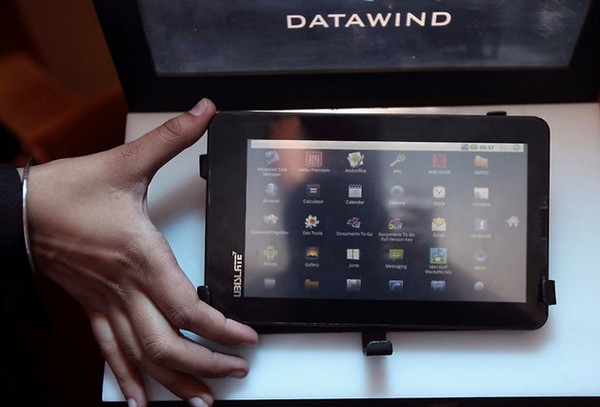
 The Aakash 2 student-friendly tablet was finally launched yesterday by the first citizen of the country, President Pranab Mukherjee, and with him, Union HRD Minister M M Pallum, on the occasion of National Education Day. The Union Minister of Communications and IT, Kapil Sibal, had announced a month ago that a new version of the beleaguered low-cost tablet would be launched this month. Datawind, the manufacturer, will supply 100,000 units of the Android 4.0 tablet with a 7" capacitive touchscreen to IIT Bombay in the first phase. These will be made available to engineering and other college students, with the goal of benefiting 220 million students in the coming years.

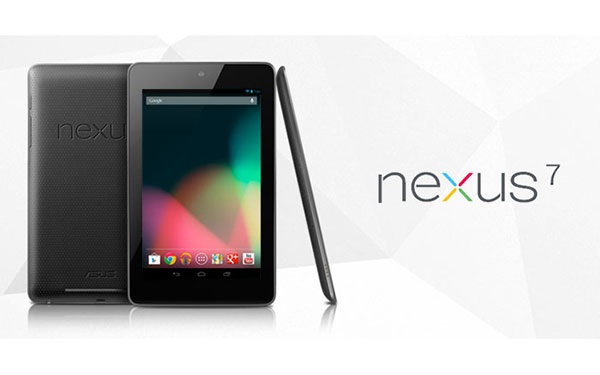
 The much awaited Google Nexus 7 tablet has finally found its way into the Indian market. It looks like today was the D-day for ASUS as it announced its four Windows 8 powered devices in the Indian market and it has spilled out beans about its Android Jelly Bean tablet. ASUS has now confirmed that its Nexus 7 tablet will be there for the Indian customers available through various large format retailers at a price of Rs 19,990.
 Nexus 7 specs