Category: Featured

  • Pirate Bay cofounder is building ‘Heml.is’ an NSA-proof messaging app

    Pirate Bay cofounder is building ‘Heml.is’ an NSA-proof messaging app

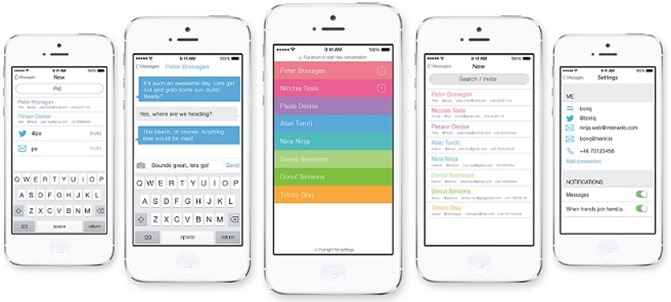
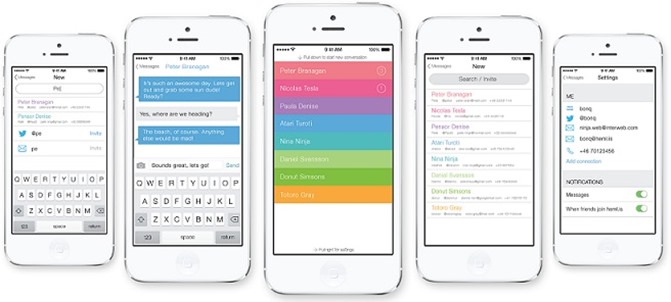
    hemlis_ui_mocksHeml.is (Swedish word for “secret”) is an elegant messaging app for iOS and Android that uses end-to-end encryption to make sure no third party — governments and ISPs included — can intercept the users’ communication.

    Peter Sunde, co-founder of BitTorrent search engine The Pirate Bay, needs your help to create a private messaging app.

    New mobile messaging app that will have superior encryption to prevent pretty much any outside party from listening in on your conversation, he said. 

    Plenty of people are working on making supersecure communication services, but few have the kind of bragging rights that Sunde and Olsson do. Sunde previously attempted to create an ultrasecure cloud storage service, Bay Files, and both he and Olsson also cofounded the ambitious crowdfunded social platform Flattr.

    The app is crowdfunded with a goal of $100,000, with the donation counter currently standing at $27,000. Users who donate $5 or more get unlock codes for the app and other perks, depending on the size of the donation.

    Hemlis will initially be available on iOS and Android The app won’t necessarily be open source because that doesn’t guarantee privacy, but the founders do intend to stay as open as possible with Hemlis’s code. It also said it won’t collect data, sell advertising, or accept funding from investment firms or angel investors. “To guarantee the safety of our users, we can not accept any money ‘with string attached,’” the team wrote in a blog post that was posted recently.

    Why is Heml.is different from WhatsApp, MessageMe, iMessage etc?

    “Our focus is your privacy so we are building everything from software to company structure to protect that. The others are focused on maximising profit.”


    Update (on helm.is blog):

    Funded 100% in 36 hours!
    Wow and incredible thanks to all our backers for funding us in 36 hours! That is one hell of a thing to wake up to. Yeah!
  • First Firefox OS Smartphone ZTE Open on Sale Today in Spain

    First Firefox OS Smartphone ZTE Open on Sale Today in Spain

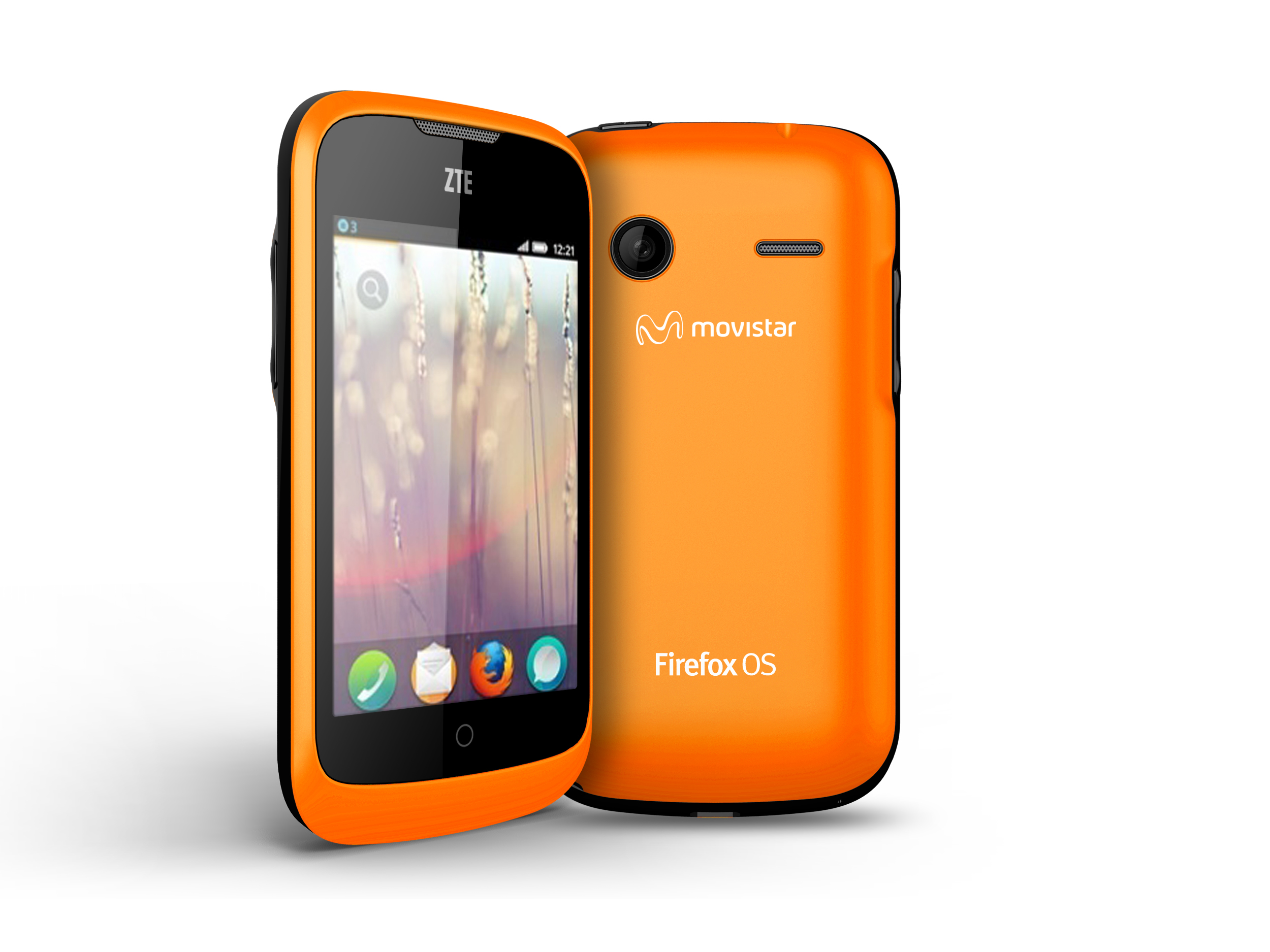
    Mozilla’s first commercial Firefox OS smartphone, the ZTE Open, released this month, but so far it’s only available in Spain with a few other countries coming soon. The specifications hardly compare to high-end smartphones, but you really can’t beat the price. The ZTE Open retails for €69, or about $88. The company also launched the Firefox OS simulator, in an effort to help developers test out new apps intended for the open-source operating system.

    The ZTE Open comeZTE-Open-Orange-white-20130129s equipped with a 3.5-inch TFT display with a resolution of 320 x 480 pixels, 2GB of memory upgradeable to 32GB via microSD card, 265MB of RAM, a Qualcomm MSM7225A Snapdragon processor, FM radio, GPS, a 1,200 mAh battery and a 3.15-megapixel rear camera. No front-facing camera is included. The handset comes in either blue or orange.

    Only time will tell how this phone fares in a market dominated by Apple and Google whose iOS and Android programs are in 90 percent of smartphones.

  • Nokia Lumia 1020 with 41 MP Camera

    Nokia Lumia 1020 with 41 MP Camera

    nokia-lumia-1020While initially the phone was rumoured to be named Nokia 909, Nokia launched the device as Nokia Lumia 1020. The phone comes with a 41 MP Nokia PureView camera and Xenon flash. While the phone is a successor to Nokia PureView 808 which also features a 41 MP cam and a Xenon flash, Nokia has provided some commendable upgrades to the Lumia device.
    Picture 2900Camera aside, the Lumia 1020 is largely unchanged from the specifications of Nokia’s Lumia 920 and 925. Nokia is adding 2GB of RAM instead of 1GB, and it’s opting for a 4.5-inch AMOLED display like the Lumia 925. There’s some microphone improvements, but the device will run the same 1.5 Ghz dual-core S4 processor as the 920 and 925. One change is the dimensions. The camera is obviously rather large on the rear, but Nokia has managed to keep the device thinner and lighter than the 920. It’s not as slimline as the 925, but it’s 10.4 mm thick and weighs 158g.

    The 41-megapixel Pureview sensor includes optical image stabilization, 6-lens Zeiss optics, and a xenon flash, making it the centerpiece for the rear of the phone. It can shoot still images at 38-megapixel in 4:3 and 16:9 aspect ratios. At the same time as it captures the high-resolution images, it also takes an oversampled 5-megapixel image using the sensor that can then be easily shared thanks to its smaller file size. The Lumia 1020 supports 1080p video capture, complete with 4x zoom and up to 6x at 720p. Nokia is releasing a Pro Camera app with the Picture 2772Lumia 1020 to take advantage of the sensor and manually adjust flash, focus, ISO, white balance, shutter speed, and exposure. It also includes a number of editing functions to crop and alter photos. Nokia is bundling a leather wrist strap with the Lumia 1020, making it even more point-and-shoot-like, but a optional Camera Grip accessory provides a casing for the device with extra battery, a shutter button, and even a tripod mount.

    Whether its outer casing will be metal or polycarbonate remains to be seen, although the Finnish company’s previous high-end device the Lumia 925 sported a metallic chassis and soft-touch rear.

  • Micromax Canvas 4 launched for Rs 17,999

    Micromax Canvas 4 launched for Rs 17,999

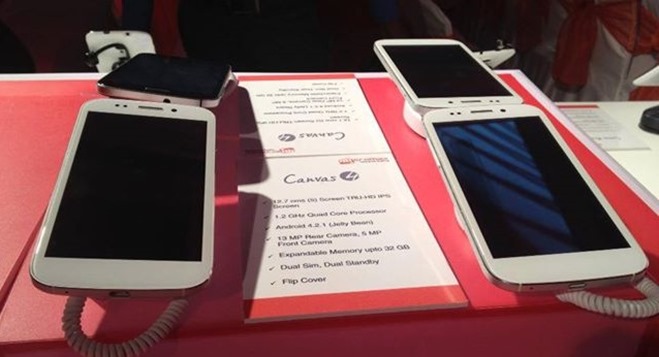
    canvas-4-priceAfter a massive marketing campaign that included televised ads, Micromax has launched the Canvas 4  price for Rs 17,999. Micromax opened pre-orders for the smartphone on June 28 and in the lead up to the launch it has amassed 11,500 pre-bookings.

    The Canvas 4 has a 5-inch HD IPS display and comes in an aluminium casing that also doubles up as an antenna. Micromax says that touchscreen is optimised for use even while wearing gloves.

    The phone is powered by a Cortex A7 1.2 GHz quad-core processor and but doesn’t run on the latest version of Android Jelly Bean, but instead comes with its predecessor Android 4.2.1.

    The phone has 1GB RAM and an internal storage of 16GB.

    Micromax A92 Canvas Lite Now Available For Rs 8,499

    Design wise, it actually seems to be a rebadged version of the BLU Life One and it is actually a step up for Micromax in terms of build quality. It has an aluminium band that wraps around a plastic front and back, and it flaunts iPhone 5 like chamfers.

    It has a microSD card slot and has 16GB of user internal memory, of which about 10GB is available to users. Like most Micromax phones it is a dual-SIM smartphone and has a 2,000 mAh battery.

    One of the unique features of this phone is Blow to Unlock, wherein you essentially blow a kiss to your phone to unlock it (yes, that’s an actual feature). Other, more sensible features include video pinning to pin videos on the homescreen and look away to pause video, stuff that’s straight out of Samsung’s TouchWiz. You can also turn the phone down during a call and it automatically switches to loudspeaker mode It also comes with a special aluminium cover that’s worth Rs 3,000 which is part of the package.

  • LG Optimus G Pro launches at Rs.42,500

    LG Optimus G Pro launches at Rs.42,500

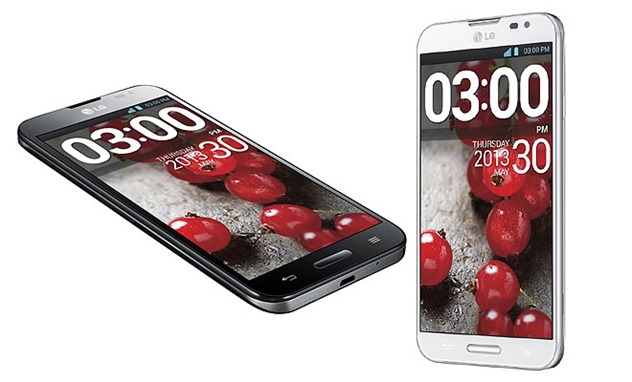
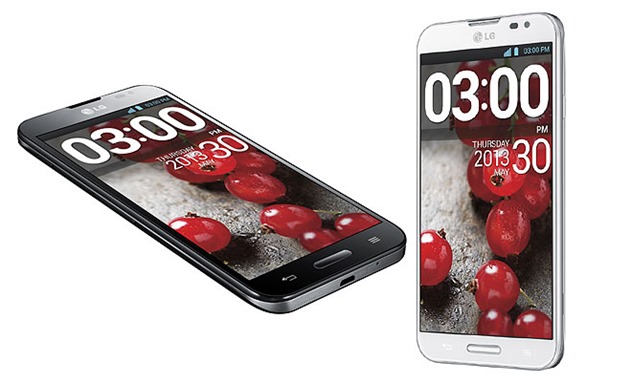
    LG_Optimus_G_ProLG launched their Galaxy Note II competitor phablet LG Optimus G Pro in India today and the phone definitely packs a punch! LG Optimus G Pro is definitely a premium gadget but comes with specifications to match the price and the hype.

    With this launch, the company has entered into the high-end smartphone segment ranging around Rs 40,000, eyeing a slice of the share from competitors like BlackBerry, Samsung, Sony and Apple’s iPhone.

    LG Optimus G Pro price in india Rs 42,500

    Reports suggest that LG is working on a long term strategy for India. With a solid investment of Rs 80 crore to push its sales in the Indian market, LG’s Optimus Pro G runs on Android Jellybean v4.1.2 operating system and is powered by a 1.7 GHz Qualcomm Snapdragon 600 quad-core processor. The smartphone has a 5.5 inch full HD IPS display, which carries the DNA of LG’s high definition TVs. This model has a pixel density of 400ppi, one of the highest in the market. The device has 2GB RAM and an internal memory of 16 GB. Equipped with 4G LTE, LG Optimus G Pro has the battery capacity with 3,140 mAh with an improved 13 MP rear and 2.1 MP front Full HD camera. The smartphone boasts dual recording that captures video with both the front and rear cameras simultaneously and virtual reality panorama feature allowing 360 degree viewing, from taking pictures of both horizontal and vertical environment. The UX features popular with Optimus G users have been added to the Optimus G pro, such as upgraded Q Slide, Live Zooming and Quick Memo. Other features in the smartphone include Q Remote, Audio Zoom, Video Wiz, Magic Remote Pad.

    Soon Kwon, Managing Director, LG India said, “Smartphone market in India is growing rapidly and there is a huge demand for big screen size mobile phones. The market size for 5 inch and above screens is expected to be 1.5 million units by end of 2013. With this launch we are gearing towards our aim of capturing 10% market share of the smartphone category by end of 2014.”

    LG Optimus G Pro Specs

    – Chipset: 1.7GHz Quad-Core Qualcomm Snapdragon 600 Processor
    – RAM: 2GB DDR
    – Memory: 32GB / microSD (up to 32GB)
    – Display: 5.5-inch Full HD (1920 x 1080 pixels / 400ppi)
    – Camera: Rear 13.0MP with LED Flash / Front 2.1MP
    – OS: Android 4.1.2 Jelly Bean
    – Battery: 3,140mAh (removable / wireless charging capable)
    – Size: 150.2 x 76.1 x 9.4mm

  • Android 4.3 root using SuperSU via xda

    Android 4.3 root using SuperSU via xda

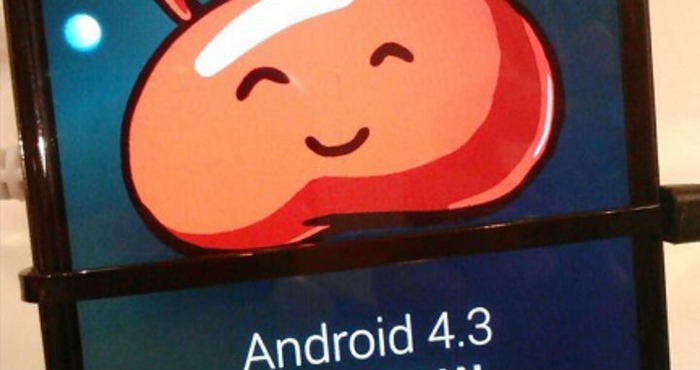
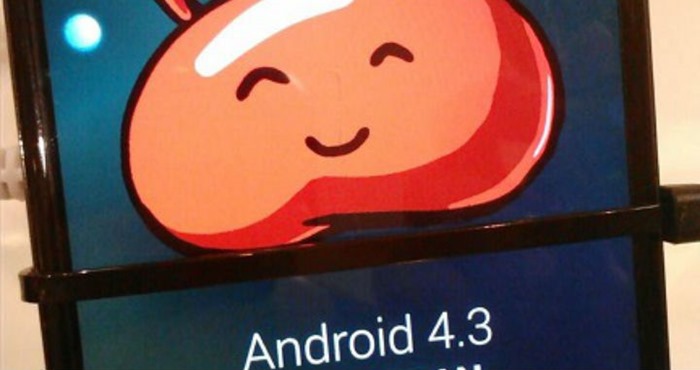
    android-4.3-rootThe leak stems from a Samsung insider with access to an early build of Android 4.3 (JWR66N) as the company adapts it to run on the phone’s hardware. This insider, who provided screenshots as proof, believes the phone will actually be updated with the latest “Jelly Bean” installment this July. That said, we’ll likely see the HTC One Google Play Edition get the same first-class Android 4.3 love next month along with the Nexus 4, Nexus 7 and Nexus 10.

    Install Android 4.3 on your Galaxy S4
    A recently leaked Samsung firmware based on Android 4.3 (JWR66N for those keeping track) has been found to work pretty darn well on the original TouchWiz-laden Snapdragon-powered Galaxy S4. However it was not rootable until today, and therefore somewhat less viable of an option for those who can’t live without their root applications. Cue XDA Elite Recognized Developer Chainfire and his modified version of SuperSU, which is specially adapted for use with 4.3.

    For this root, SuperSU is running in daemon mode (new feature), and launched during boot.
    The daemon handles all su requests, and while this should mostly work just fine, some apps may expect their su session to be running on the same branch on the process tree as the app that launched the session.

    Whether these changes are due to Samsung or just Android 4.3 in general remains to be seen. But needless to say, once we see a few more 4.3-based firmwares, we will have an answer. There are also some other differences  that will you will want to be aware of, especially those of you using a CWM-based recovery, so I highly recommend checking out that post in full. For how to root android 4.3 follow on.. If you’re currently running the 4.3 leak on your S4, this is probably something you’ve been looking forward to for a few days now. The flashable zip file itself can be downloaded from the Google+ post, and the current SuperSU thread should be used for any related issues.

  • Design your own smartphone with Moto X

    Design your own smartphone with Moto X

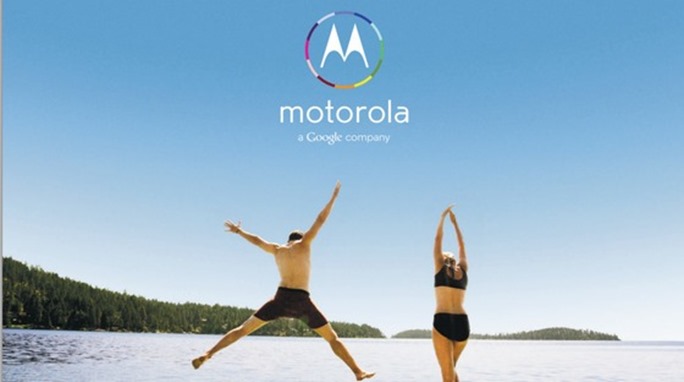
    Moto-X-ad-designGoogle with its Motorola–are releasing a brand new smartphone sometime in the near future. And beyond the revelation domestic models of the Moto X will be assembled entirely in the United States, Motorola is now claiming the consumer will have some type of say in the smartphone’s design. As reported by a new ad touts the Moto X as the first smartphone designed by you. As ad says

    “The first smartphone that you can design yourself. Because today you should have the freedom to design the things in your life to be as unique as you are.”

    Pushing the “made in the USA” theme, the newspaper ad evokes images of the July 4th holiday and summer. Citing the Moto X as “something new,” the ad seems to state you’ll have some opportunity to have input in the Moto X model you purchase. Granted, what the means precisely is still pretty unclear. But the possibilities are interesting, nonetheless.

    A spokesman for Motorola said that by keeping its assembly work in the U.S. instead of Asia, it didn’t need to fly its engineers out to far flung locales to check on production.

    What would you want in a customizable smartphone? Let us know what kind of hardware or software you would pack into a smartphone from Motorola in comments.

  • Fedora 19 ‘Schrodinger’s Cat’ is out officially

    Fedora 19 ‘Schrodinger’s Cat’ is out officially

    fedora-19-logoThe Fedora Project has released the latest version of the team’s open source operating system. Fedora 19 “Schrodinger’s Cat” is now available for download.

    Fedora 19 includes a wide range of updates, uses the Linux 3.9 kernel, and comes with a choice of GNOME 3.8, KDE Plasma 4.10, or MATE 1.6 desktop environments.

    “Fedora is a Linux-based operating system, a suite of software that makes your computer run. You can use the Fedora operating system to replace or to run alongside of other operating systems such as Microsoft Windows or Mac OS X. The Fedora operating system is 100% free of cost for you to enjoy and share,” reads the official website.

    What’s new in Fedora 19 ?

    The Linux kernel has been updated to version 3.9.0.
    An option has been added in order to enable access to the Extlinux bootloader, which is part of the Syslinux family of bootloaders.
    The initial setup screens have been revamped for Fedora 19.

    The anaconda installer has been reworked and the distribution now provides support during installation for advanced storage, such as fcoe, iscsi, and multipath.
    The text mode of the anaconda installer has also been improved.
    The distribution can now join a domain from a kickstart file or from the anaconda installer.
    The appearance of GRUB and GRUB menus have been changed.
    FreeIPA realmd support has been added.

    Complete list of new features and changes are available in the official announcement.

    Fedora 19 also includes an improved Anaconda installer (which walks you through the process of actually installing the operating system, 3D modelling and printing software, a built-in language translation tool, and updated apps including the LibreOffice 4.0 office suite.

    Download your copy from project website or the Fedora Project Bittorrent Tracker.

  • Say GoodBye to Google Reader : Alternatives

    Say GoodBye to Google Reader : Alternatives

    INTERNET GIANT Google’s Reader is no more, with the firm having closed the doors on its popular RSS news reader on Monday.

    We know, it’s a tough day for all of us. As of today, 1 July, Google Reader has gone the way of services such as Google’s Buzz and SMS services, and is no longer operating.

    “We launched Google Reader in an effort to make it easy for people to discover and keep tabs on their favorite website, While the product has a loyal following, over the years usage has declined.”

    Fortunately, there’s an afterlife. Google has made it easy to move your list of sites you follow, known as feeds, to another service. And many of those rival services have made it easy to accept those feeds, especially after Google said in March that it would retire Reader.

    Alternatives to Google Reader

    RSS feeds – for really simple syndication – used to be a popular way to keep track of multiple websites without having to visit each and every one. Content comes to you, through readers such as Google Reader. More recently, though, Twitter and Facebook have performed a similar role in discovering content.

    Feedly – Feedly excels in highlighting the most popular items from all your feeds, based on sharing and other interactions on Feedly and elsewhere. Simply visit a page called “Today.” Under the default layout, you see headlines and the first sentence or two of each item. You can click on any item for more.

    You can also share the item on a number of social networking sites. That freedom isn’t available on Reader, which confines sharing to Google’s own Plus service.

    The Old Reader – For those users seeking just the basics, The Old Reader is a strong choice. Designed to look very similar to Google Reader, The Old Reader is simple and easy to use. Importing and adding feeds is easy, but it seems sharing is limited to the service. So, it’s tough to directly share to social networks. But for users who want feeds on the go, Old Reader will work with the iOS app Feeddler.

    Flipboard – The mobile app for iOS and Android opts for a more visual approach to story syndication, presenting feeds in a magazine-style format. Along with RSS feeds, users can add updates from social networks such as Facebook, Twitter and Tumblr, “flipping” pages with simple swipes on the touchscreen. Similar to note taking app Evernote, Flipboard allows users to clip content from the Web to display in a digital magazine for their mobile devices. The big drawback to Flipboard is users can’t read their feeds on a desktop or laptop. It’s for smartphones and tablets only.

    AOL Reader One of two new entrants into the RSS reader market, AOL Reader has promise. Several views are available, from a traditional list to a pane view similar to the Microsoft Outlook email client. Users can share stories to Facebook, Twitter, Google+ and LinkedIn, as well as star items for later reading. However, I couldn’t find any options for saving to offline services such as Pocket. Also, feeds didn’t seem to update as quickly as other options, but that should improve over time. A native Android and iOS app is coming soon, the reader still functions nicely on a mobile browser. Among other options AOL plans to add soon: Search, Notifications and sharing with other AOL Reader users.

    Digg Reader – The newest RSS reader from Digg is a clean, simple choice. Sharing is limited to Twitter and Facebook, but users can set up connections to Pocket, Instapaper or Readability to view content later. Users can “Digg” stories, which bolsters a cool Popular section that breaks down the most popular stories appearing on your RSS. There are some important functions missing, such as “Mark as Unread” and “View Unread Items Only” options, but Digg says they plan to add those features quickly.

  • Madeleine ‘scentography’ camera captures your favorite smells

    Madeleine ‘scentography’ camera captures your favorite smells

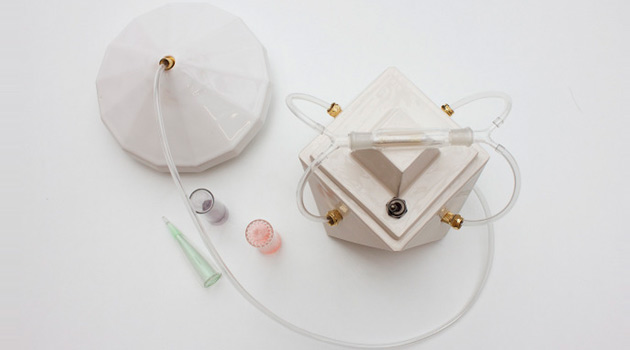
    A new camera has been developed that can capture the whiff of your first pet or the smell of the seaside holiday.

    Designer Amy Radcliffe’s MA project at Central Saint Martins set out to bring a more meaningful sensory dimension to storing our favourite memories.

    What if you could recapture the aroma of that freshly baked birthday cake, or the scent of the wild flowers in that Alpine meadow on your last holiday? Or maybe you would choose to recall the musky pong of your first pet, or the comforting whiff of that shampoo your girlfriend used to use.

    So how does it work?

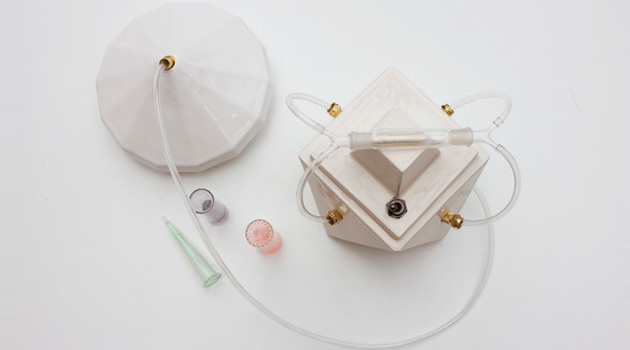
    The smell meant to preserved needs to be trapped in an odor trap from which the machine absorbs the scent. The scent is stored in the filter which is then analyzed so that the chemical nature can be decoded and the liquid fragrance of the same can be generated. The time taken for generation may vary from a few minutes to a few hours.

    Madeleine, interestingly refers to some special kind of cake, an apt name for the product that can be used to store and generate wide number of food essences.

    The point is that such technology is just waiting to be exploited and one Amy Radcliffe has now come out with the Madeleine, a camera of sorts which captures scents instead of photos. The moniker is derived from Marcel Proust’s seven-volume French novel, À la recherche du temps perdu (In Search of Lost Time), which explores involuntary memory invoked by biting into a piece of Madeleine cake. Radcliffe talks about being able to manipulate our emotional state through ‘prescribed nostalgia,’ a term that inspires paranoia in our heads.